Bogotá’s Salsa Revolution: 5 Must-Hear Bands You Can’t Miss

If I could travel back in time, I’d go straight to the late 60s and 70s in New York City, the birthplace of salsa as we know it. Although the origins of salsa have generated some controversy and credited to NYC, its roots lie in the Cuban and Antillean sounds—its the remix of the Cuban 50s. But that is neither here nor there. Salsa is the definition of a cultural movement that brought together Latinos in the United States and also connected the community in the U.S. to Latin America. And this is precisely what music has done fore me my entire life—bring me closer to my roots.
Salsa’s first sounds in Colombia were heard in the coastal cities and in Cali; radio helped spread it to the rest of the country. Bogotá was likely one of the last major sities to embrace salsa but has played an important role in the development of the genre. Though Cali is universally recognized as the “Salsa Capital of the World” and the genre’s cultural hub, Bogotá’s contribution to the development of Colombian salsa has often been overlooked.
Driven by economic factors, many musicians from Colombia’s Atlantic and Pacific coasts relocated to Bogotá in the 1970s. Among them was Aristarco Perea “El Moro,” who established La Casa Folclórica del Chocó. This space became a hub for musicians to meet, including Jairo Varela, founder of Grupo Niche, and Alexis Lozano, who would later create Orquesta Guayacán. Influential figures like Aristarco and venues like La Casa Folclórica del Chocó played a crucial role in shaping Bogotá as the birthplace of iconic groups such as Grupo Niche, Orquesta Guayacán, and the country’s first all-women salsa band, Cañabrava (Gómez, 2014, p. 40).
Though these groups ultimately returned to Cali to further their legacies, their impact on Bogotá is undeniable. Immigration and technology helped shape the city’s distinctive salsa sound, which continues to thrive today. Bogotá now hosts Salsa al Parque, a celebrated annual event held every October since 1997, providing a platform for both national and international artists.
Bogotá’s salsa has developed its own unique sound, influenced by modern genres such as rock, hip hop, and punk, as well as the city’s gritty urban atmosphere. It takes inspiration from artists like Markolino Dimond and the salsa brava movement of New York. The lyrics don’t often dwell on love; instead, they reflect the street hustle, rivalry, and the relentless grind of city life. The music pulses with the energy of Bogotá, frequently incorporating collaborations with other genre’s. Unlike in Cali, where salsa is intrinsically linked to dance, Bogotá’s salsa is defined by the city’s raw energy, not the dance floor.
Here are five salsa groups and artist from Bogotá that embody these sounds:
La-33
La-33 was founded in 2001 by Sergio and Santiago Mejía. The group is famous for blending traditional salsa with elements of jazz, funk, and rock, creating a unique and modern sound. They have gained international recognition with their hit “La Pantera Mambo,” a salsa version of the classic Pink Panther theme.
One of my favorite collaborations is La-33’s performance with the Bogotá Philharmonic Orchestra. They teamed up to celebrate Bogotá’s 485th birthday at one of the country’s most prestigious venues, Teatro Mayor Julio Mario Santo Domingo. The show was led by musical director Rubián Zuluaga, with arrangements by Leo Morales.
Pablo Watusi
This blog post was inspired by a conversation I had last year with Pablo Watusi. He spoke about how Bogotá has been largely overlooked in the history of Colombian salsa, which pushed me to dig deeper and do my own research. Pablo was one of the original members of La-33, but in 2016, he started his own project, Salsangroove. In 2017, their self-titled debut album was nominated for a Latin Grammy for Best Tropical Fusion Album.
Pablo Watusi’s music embodies the cultural blend that defines Bogotá. His songs invite listeners to reflect on real issues, but with a touch of his own magic, all through the lens of salsa. He truly represents the afrocachaco spirit—a fusion of sounds and experiences that capture the city’s rich multicultural vibe. With each track, Watusi brings the heart and hustle of Bogotá to life.
La Pambelé
They came, they saw, they conquered. Named after Colombia’s legendary boxer Kid Pambelé, La Pambelé entered the scene with a fighting spirit. Drawing heavy inspiration from salsa brava icons like Markolino Dimond and Orquesta Zodiac, the group is a reflection of the post-pandemic world. Formed in 2021 by Camilo Toro and Miguel Rodríguez, and joined by multi-instrumentalist and vocalist Lorena Contento, La Pambelé captures the resilience and frustration of urban life in Bogotá. Contento’s presence adds a much-needed feminine touch to a genre in Colombia that often lacks female representation. Their music resonates with the struggles of contemporary metropolises, embodying the spirit of a city facing its own battles.
Recently, they had the honor of opening for Marc Anthony, showcasing their dynamic presence and the depth of their salsa sounds.
El Clan del Solar
El Clan del Solar, formed in 2018 by Germán Ruiz, better known as “Germán el Trombón,” is a standout in Bogotá’s salsa scene. Much like the early days of salsa in the capital, the band has become a rotating collective of talent from across Colombia, especially from Cali. They’ve worked with renowned artists like Mauro Castillo—famed for his role as Félix in Encanto and his participation on “We Don’t Talk About Bruno”—as well as Charlie Cardona, former lead singer of Grupo Niche, and César Mora, among others. Winners of Salsa al Parque in both 2021 and 2022, El Clan del Solar sets itself apart with a more diverse sound. Rather than focusing solely on salsa brava from the ’70s, they’ve explored cha-cha-chá, salsa caleña, and big band styles, showcasing their musical versatility.
La Radio Bembé Orquesta
La Radio Bembé Orquesta was formed in Argentina in 2015. Founded by Juan Camilo Camacho, Sebastián Poveda, and Joshua Soruco, the band combines storytelling with dark humor to capture the realities of life in Bogotá. They take their inspiration from the salsa brava from New York in the 1970s and blend these influences with contemporary sounds, incorporating elements of hip hop and punk into their music. This fusion creates a fresh take on salsa, reflecting both the past and the pulse of modern urban life.
Sources:
Gómez, L. S. (2014). El Buenartista Social Club (Historia de una promesa). In Fuera zapato viejo: Crónicas, retratos y entrevistas sobre la salsa en Bogotá. IDARTES.
Sex, Music, and Breaking Boundaries: La Lulu’s Power of Feminine Expression in Today’s Music Scene
In the heart of Brooklyn, I had the pleasure of chatting with La Lulu, the Latin Grammy-winning violinist known for her unstoppable spirit and unapologetic authenticity. Born in Cali, Colombia but raised in New York, La Lulu’s journey is a testament to resilience, identity, and determined spirit of artistic expression. Her success-driven nature is as thrilling as her passion for Formula One racing. This blog is about her remarkable journey and what drives her success.
⚠️ WARNING ⚠️: 🧊SE RECOMIENDA LULU CON HIELO🧊

In Life You Can’t Always Do What you Want
Luisa Bastidas was born in Cali, Colombia, and showed an interest in artistic and musical expression at an early age. Her instrument of choice: the violin. However, her school had other plans and inexplicably decided that the clarinet was the right instrument for her. And so, the clarinet it was, at least for her last year living in Colombia.
Her move to New York was opportune. Arriving at the young age of twelve, her family enrolled her at Henry Street Settlement, a non-profit social service agency in the Lower East Side, where she was finally given the opportunity to choose her instrument. Without hesitation, she chose the violin, marking the beginning of a musical journey that would see her transform from a young girl with dreams into a “mujer con visión de superwoman.”
A Declaration of Independence
The pandemic was a turning point for Luisa. As a professional violinist who had already won a Latin Grammy with the group Flor de Toloache, she found herself in a period of reflection during the global pause. Amid the uncertainty, she had a revelation: she wasn’t using her talents to their fullest potential or in service to who she truly wanted to be. Enter La Triple L, La Lulu, the coolest on the block—you know she won’t stop. This new project allowed her to break free from the new and old constraints that were holding her back, stepping in the direction we should all be moving towards.
La Lulu was her declaration of independence, a bold statement from the girl who was told she couldn’t be everything she wanted to be—a groundbreaking violinist who defied conventions. And she did it while speaking Spanish, the language in which she was often told “no.”

Unlearning Some Truths
Art, for La Lulu, is not bound by academic rules. It’s a form of expression, a medium through which she can convey her innermost thoughts and emotions. Her first single “Estoy Hot,” serves as a powerful introduction to her message, featuring a bold music video that pushes boundaries.
It’s easy to judge and point fingers, and to unlearn things we have been taught to take as truths. During our conversation, La Lulu shared a crucial insight: sex and the sexual experience are unique in making men and women equal, which is why society often seeks to control or suppress the female experience.
These dynamics are evident in music every day. We discussed how songs that allow men to comfortably express their sexual desires while treating women as objects have become commercial hits, widely accepted and even endorsed by women themselves. While La Lulu’s music is provocative, it challenges these norms without crossing into the realm of the pornographic, offering a fresh and empowering perspective.
La Triple L
To date, La Lulu has released twelve singles, all created in close collaboration with Argentinian producer El Primo on the Beat. Her music is defined by an electronic sound, with music videos like “La Telenovelera” serving as sharp, satirical commentaries on society. Hip-hop is another strong influence, often reflected in the rap sections of her songs.
View this post on Instagram
One of my favorite tracks, “L3” or “La Triple Ele,” marks a notable change in her style. The music video opens with her driving her grandfather’s 1954 Jeep Willys. True to her playful nature, she incorporates loud colors and wigs, but the sound shifts—it’s a corrido-tumbado. When I asked her what inspires her music, she explained that it mirrors everything she listens to, aiming “to give back and have a circle of intentions.” In this track, she also begins experimenting with her voice, resulting in an innovative song with a powerful message:
The haters me decían, no vas a llegar,
Deje de jugar
Me puse en el grind
Mi mentalidad en mi lifestyle
Y ahora estoy aquí
Rompiendo el beat
“L3” draws inspiration from Natanael Cano, a Mexican rapper, musician, and singer.
Another standout track is “Suena La Lulu,” a cumbia 420 that blends cumbia villera from Argentina with reggaeton. This song continues to highlight her versatility and showcases her vocal talent within a cohesive and powerful sound.
Break the Rules, Find Your Way
La Lulu has graced stages around the world, with a strong following in Mexico, where she has successfully toured alongside artists like Making Movies and Renee Ghoust. She has also been featured on prominent platforms such as Playboy Mexico and iHeartRadio Mexico.
In the summer of 2024, La Lulu toured Spain, opening for Grupo Niche at the Pirineo Sur Festival and performing in Barcelona and Madrid. She also dropped her latest single, “Bomba Xclusiva,” a contagious summer song. She is currently working on releasing an EP in November 2024.
In Brooklyn, La Lulu is a prominent local figure. She was honored to perform at Toñita’s, Williamsburg’s oldest and longest standing Latino social club, for its 50th anniversary in 2024.
La Lulu stays grounded and close to her roots. She describes being Colombian as her way of feeling and loves returning to Colombia, where she has collaborated with artists from Cali, like Hendrix B, and hopes to work with others like Alexis Play. Colombia is a place of rejuvenation for her, providing the energy and creativity she needs to continue her art.
Personal Insights and Future Projects:
La Lulu is comfortable in her own skin, embracing her sexuality and femininity with confidence. She is someone we can all learn from. She is a woman who turned a classic instrument like the violin into the instrument to channel her womanhood. Her story is an inspiration to women everywhere, artists and non-artists alike.
To experience La Lulu’s music and follow her journey, visit her social media platforms and streaming services. Share this blog and engage with content on the Colombian Jukebox to support her and discover more Colombian artists.
Why I Will Not Watch One Hundred Years of Solitude
I can’t say that One Hundred Years of Solitude is my favorite book because, honestly, the whole idea of having a “favorite” anything feels limiting. Our tastes are always shifting, evolving with each new experience. But if I had to pick one that comes close, Gabriel García Márquez’s iconic novel would top the list. I like it so much that I’ve become increasingly suspicious of anyone who says they don’t like it. Maybe you should too.
During the pandemic, rumors about a Netflix adaptation of One Hundred Years of Solitude started circling around. Most reactions on social media were positive, I suspect from people that haven’t read the book or know much about Gabriel García Márquez. Only a few showed disdain, and while at the time I kept quiet, I’m choosing now to voice my disappointment with the García Barcha family’s decision.
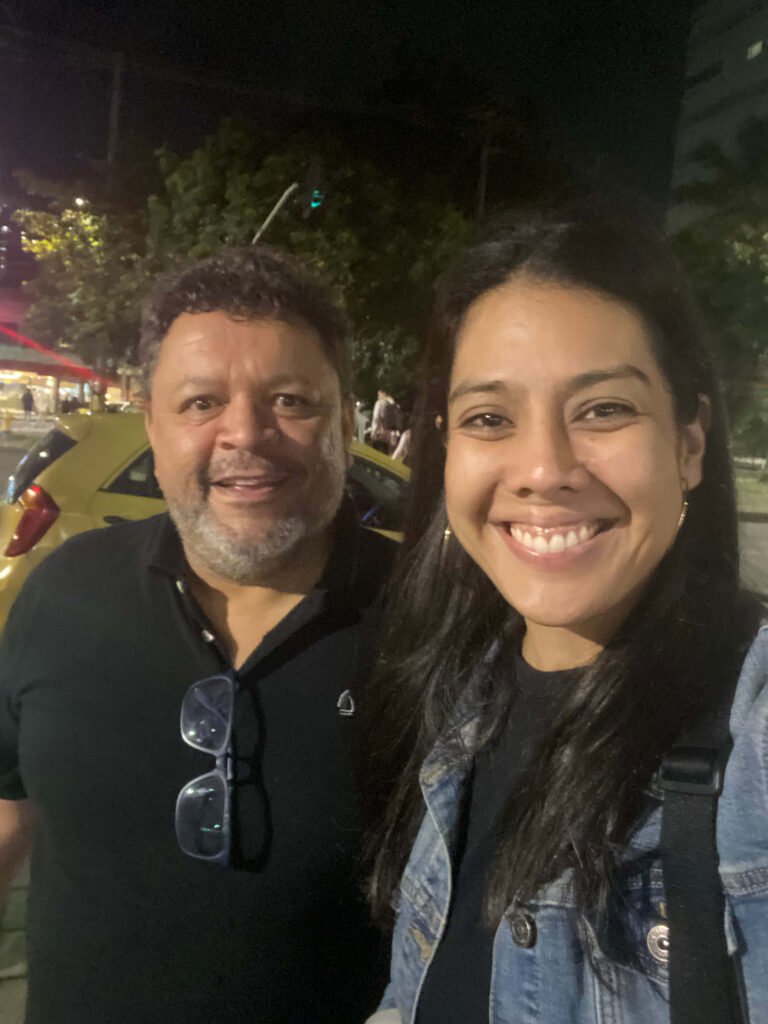
I first read One Hundred Years of Solitude as a Spanish Literature student at university, and the experience was nothing short of a privilege. It was an independent study guided by my professor, Gustavo Arango—a former journalism student of García Márquez, the author’s first biographer, and a key figure in the publication of Gabriel García Márquez’s final novel, En agosto nos vemos. His insights throughout the novel’s twenty chapters made the experience unforgettable. When we got to the final chapter, we read it out loud. I remember feeling melancholic, exposed, as if I had laid bare a part of myself. When we finished, I held the book close to my chest, and remember saying “This is my story.”
A Bit on the Buendías
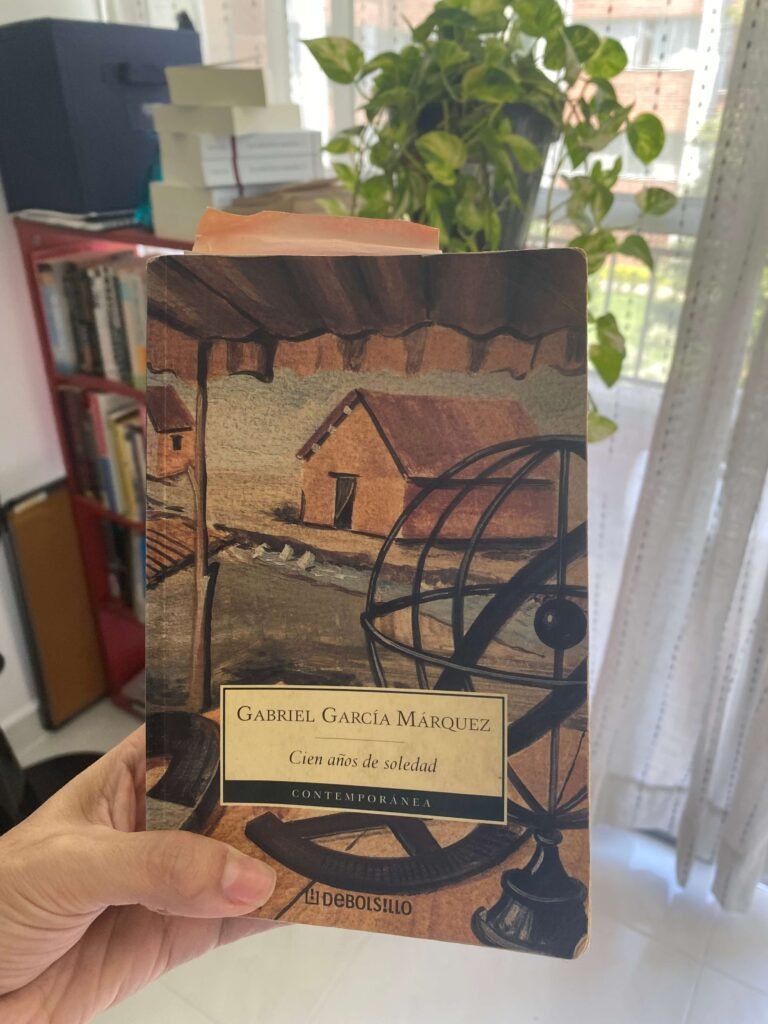
One Hundred Years of Solitude, published in Buenos Aires in 1967, tells the story of the Buendía family across seven generations in the fictional town of Macondo. Pen and paper are strongly suggested for first time readers, as each generation of the Buendía family are marked by recurring names. The novel explores themes of love, power, war, and the cyclical nature of history. Each character is beautifully developed and memorable, representing broader truths about human existence.
Gabriel García Márquez once described the novel as a 350-page Vallenato. It’s a vivid portrayal of Colombia’s Caribbean culture, strengthening my connection to the region, reviving old memories, and helping me come to terms with the complexities of the region’s folklore. The book also offers a critique of Colombia’s political landscape, from the formation of political parties and their often absurd differences to the oppressive, violent actions of American multinational companies.
My Personal Connections
Since my initial reading of the novel, I’ve read it at least three more times. Each reading has been driven by different curiosities that took over my imagination. Melquíades influence almost had me building my own alchemy laboratory! His presence in the novel never ceases to amaze me. I couldn’t bear other people’s interpretation of meddling with my Melquíades. Perhaps this may be the most important reason.
The production team for the adaptation has chose Ibagué as the location to depict Macondo, and its speculated to be the most expensive television production in Latin American history. But for me, the real Macondo lies in my heart, a place no camera can capture and no set can recreate. This is one of those instances where you really can’t name the price. Adapting a novel like One Hundred Years of Solitude, with its non-linear chronology and little dialogue, is outrageous—crazy. Because how do you visually convey the madness, the surreal atmosphere, and the soul of a place that is both magical and haunting? How do you translate the intangible into something so concrete?
The book has defined the magical realism genre, where the supernatural feels natural. Special effects you say? They sound cringe-worthy. Can any special effect—or any actor, for that matter—truly capture the most beautiful woman ascending to the heavens, or the rain of yellow flowers falling over Macondo? It’s my imagination—personal and intimate—that give these moments life. They are irreplaceable, no matter how sophisticated our technology has become.
But its not just me…
These are my personal reasons. But Gabriel García Márquez himself was firmly opposed to selling the rights to One Hundred Years of Solitude for a film adaptation. Over the years, many directors and producers proposed bringing the novel to the screen, but he declined every offer. One of the closest attempts came from Japan, where the latest translation of the book sparked considerable interest. In 1984, Shuji Terayama released Farewell to the Ark, a film closely inspired by the novel. The film featured unmistakable details from the book, such as Úrsula Iguarán’s chastity belt, the cockfights, Prudencio Aguilar’s ghost haunting Jose Arcadio, the gypsises, viruses and the musical clocks, among others. The film even entered the 1985 Cannes Film Festival. Yet, despite the similarities, García Márquez did not approve the adaptation and insisted that all credits related to his novel be removed, as he believed the magic of the book was something that could not be fully captured on film.
Gabriel García Márquez’s contribution to cinematography are considerable and form an essential part of his legacy. He wasn’t just a literary giant; he was deeply entrenched in the world of film. On various occasions he spoke about his love for film and devotion to written word revealing a deep understanding of the unique qualities each medium holds. He served as a film critic and founded and directed the Film Institute in Havana. His influence extended to screenwriting, where he collaborated with many directors and producers. In an interview, he described his relationship with cinema as a “troubled marriage; we can neither live together nor apart.” In this same interview he even admitted that he wrote One Hundred Years of Solitude against cinema, expressing a desire to protect the novel’s imaginative power. “I prefer that my readers continue imagining my characters as their uncles and friends, rather than have them entirely defined by what they see on screen,” he mentioned.
Sticking to My Story
In honoring García Márquez’s words, I will follow his suggestion and continue to imagine his characters as my own—a blend of uncles, friends, and the other figures I’ve come to know through repeated readings. Each time I revisit One Hundred Years of Solitude, I uncover new layers, fueled by my own curiosity and the memories tied to my first encounter with the novel and my trips to Colombia’s Caribbean. Whether it’s Melquíades, Remedios the Beauty, or a levitating priest, these images are personal, intimate, and irreplaceable. No screen, no matter how large or how closely it follows the author’s vision, could ever capture the magic that lives in my mind. So, while the allure of a visual adaptation may tempt many, I choose to keep my version of Macondo where it belongs—in my heart and imagination, where it remains untouched, vivid, and wholly mine.
Beyond Borders: Collaborations Shaping Independent Colombian Music
In this modern era of music, with the internet making connections more accessible, borders have dissolved, allowing artists from diverse corners of the world to collaborate and create uniquely inspired pieces of music. Of course, I am biased when I say that no place does this better than Colombia. The title of this space, Colombian Jukebox alone reveals my bias, but we can definitely hear the sounds of Colombia all over the world in genres far beyond their origins and where they converge to produce an eclectic array of musical offerings.
At the heart of the musical intersections lie the spirit of collaboration, a driving force that has propelled Colombian music beyond its borders and onto the international stage. In this article, we go on a journey to explore the fascinating phenomenon of collaboration in shaping Colombian music, delving into the intricate webs of influence, innovation, and creativity that connect musicians from Colombia and beyond.

Photography by @valerieamorc
From the traditional rhythms of cumbia permeating the cutting edge sounds of pop music, like Luis Fonsi and Daddy Yankee’s Despacito, to hip hop sampling, Colombian music has undergone a remarkable transformation, blending old and new, local and global, to creating something truly extraordinary.
The Globalization of Cumbia
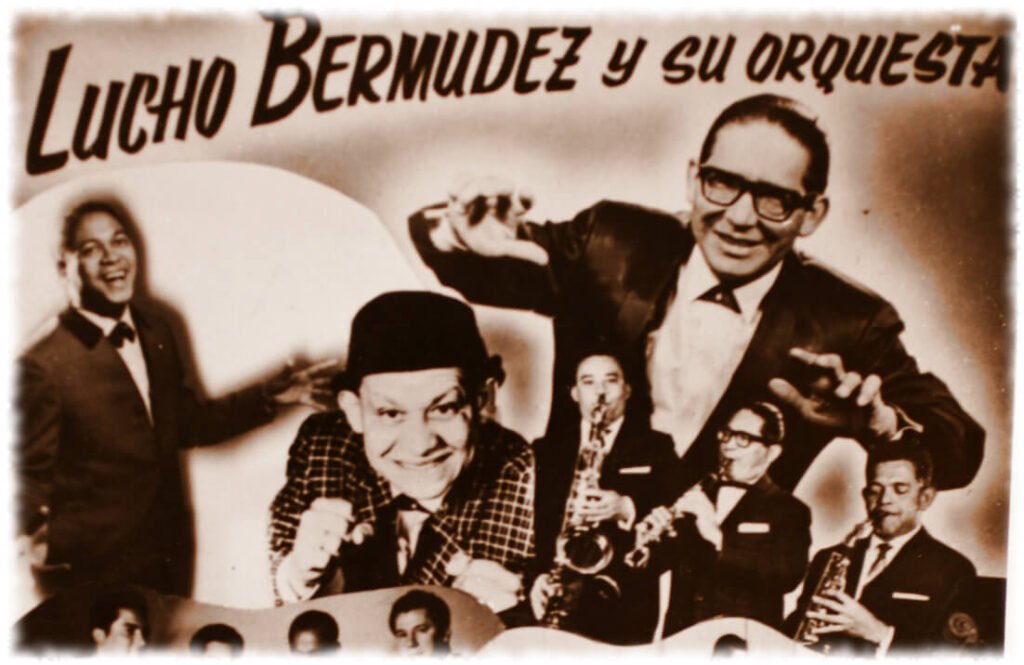
Cumbia is an afro-indigenous music originating from the Colombian Caribbean, characterized by its distinctive sounds produced with instruments such as la flauta de millo, the gaita, el guache, maracas, and tambores. Initially a regional rhythm, cumbia gained widespread popularity in the 1940s. Artists like Pacho Galán and Lucho Bermúdez elevated the genre by infusing it with a big band feel, at a time when Benny Goodman was a dominant figure in the United States with Swing Jazz music.
As Colombian cumbia musicians began traveling across Latin America, they planted the cumbia seed throughout the continent. Each country embraced the genre and adapted it to create their own unique sound.
Mexico: Cumbia Rebajada
In Mexico, the most popular variation is cumbia rebajada, which slows down the tempo and tone of Colombian cumbia. This style gained significant popularity with the Netflix movie Ya no estoy aqui.
Argentina: Cumbia Villera
In the 1990s, Argentina began incorporating synthesizers and other electric instruments into cumbia, blending influences from rock and punk to create cumbia villera. This style reflected a raw, energetic sound that resonated with the urban youth.
Peru: Psychedelic Cumbia
Peru developed its own version known as psychedelic cumbia, characterized by the extensive and distinctive use of electric guitars, as well as guaracha and rock go-go with delay effects, fuzztone, and the iconic wah-wah sound as essential components.
Fusion with Electronic Music
Cumbia’s adaptability goes far beyond traditional instruments and regional influences. This genre has also been fused with electronic music, gaining immense popularity with bands like Bomba Estereo and Systema Solar. These bands combine electronic sounds with cumbia, creating hypnotic, club-ready tracks that bring life to the dance floor all around the world.
Fusion Producers: Quantic and Richard Blair
Two names that stand out in the fusion of Colombian folkloric sounds with international influences are Quantic and Richard Blair. These producers have played pivotal roles in bringing the rich musical heritage of Colombia to a global audience by blending it with modern and diverse sounds.
Quantic
Will Holland, known by his stage name Quantic, is a British musician and producer who has immersed himself in Colombian music. After living in Cali, Colombia for an extended period of time, he noticed many musicians radiating the same raw energy and musical history that he felt from English-language blues and soul music.
View this post on Instagram
Quantic began to explore and experiment with Colombian traditional sounds, merging them with elements of jazz, soul, and electronic music. One of his earlier projects, Quantic and His Combo Bárbaro, ‘Tradition in Transition’ is a prime example of this fusion, featuring Colombian musicians and traditional instruments alongside contemporary production techniques.
Quantic’s ability to create seamless blends of traditional and contemporary sounds spans from working with classic traditional cumbia like the 1950s “Cumbia Sobre el Mar” by Trio Serenata to producing Hip Hop en Cumbia, an EP featuring hip hop classics such as Snoop Dogg’s “Nuthin’ But a G Than” and Missy Elliott’s “Get UR Freak On” with a cumbia spin, thus making Colombian music accessible to new audiences worldwide.
Quantic’s exploration of Colombian traditional sounds extends to collaborative projects like Ondatrópica, a musical ensemble in conjunction with Mario Galeano that blends traditional Colombian rhythms with contemporary influences.
Richard Blair
Richard Blair is the mastermind behind Sidestepper, a Colombian band named after his alter ego that has made significant contributions to the Colombian music scene. Band members of Sidestepper have gone on to create influential groups such as Bomba Estéreo, Systema Solar, and ChocQuibTown.
Originally from the UK, Blair moved to Colombia after working on Totó La Momposina’s La Candela Viva at Peter Gabriel’s Real World Records. Deeply influenced by the country’s diverse musical traditions, Blair began to bring together talented musicians like Goyo from ChocQuibTown and Kike Egurrola from Bomba Estéreo.
Blair’s work with Sidestepper ignited a new movement of Latin fusion, earning them recognition as the progenitors of electro-cumbia. An example of this innovative spirit is Supernatural Love, an album created in a small community in Bogota called La Candelaria, Blair explains, “We’ve tried to put a sound and a voice to how we live here. But most of all we’ve tried to put a call out of love in all its forms, and I guess we started with our love of music itself”.
The album’s first single is a joyful song with a playful touch filled with positive energy. “Come See Us Play” is a song that mixes elements of soul, gospel, and cumbia with vocals from Eka Muñoz, Blair’s longtime friend.
The Mestizo Initiative by the British Council
The accomplishments of British producers like Richard Blair and Quantic, who have been trailblazers in highlighting Colombian music, have also fostered a meaningful exchange between Colombia and the UK. These efforts have inspired a sense of pride and identity among new generations of musicians, encouraging them to integrate traditional music into their own creation.
The Mestizo Initiative, launched by the British Council, is a project aimed at celebrating and exploring the intersection of both the British and Colombian musical heritages. The initiative builds on the rich legacy and cultural diversity of both nations, forging a bridge between two worlds through the universal language of music.
In 2019, Ahnansé from Steam Down and Daniel Michel from Mambo Negro Studios and La BOA in Bogotá became the musical directors of the self-titled album, Mestizo. The new integration of sounds bring forth musical fusions of cumbia and currulao intertwined with hip-hop, salsa, and electronic music.
The Legacy of Colombian Music
Colombian Jukebox celebrates the diversity and creativity of Colombian music, recognizing its abilities to move through boundaries and unite people from all walks of life. From its Afro-indigenous roots in cumbia to its contemporary fusions with electronic and global sounds by pioneering producers like Quantic and RIchard Blair Colombian music continues to evolve, transcending borders and captivating audiences worldwide.
As we reflect on the dynamic intersections of tradition and innovation, local and global influences, the permutation of Colombian music is far from over. With each collaboration and creative journey, the legacy of Colombian music grows stronger, serving as a source of inspiration and unity for music lovers around the world.
Colombian DJ Madame Vacile’s Bold Shift: From Champeta to Electronic Beats
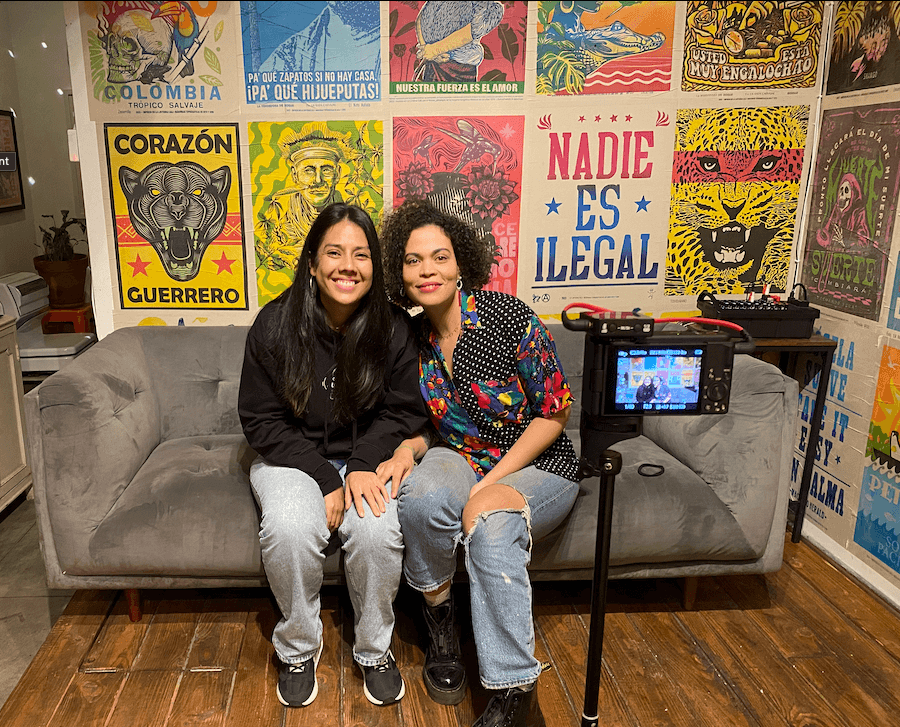
In the heart of East Williamsburg, New York, at the flavorful Palenque Food Restaurant, I had the pleasure of sitting down with DJ Madame Vacile. The background, adorned with colorful posters referencing emblematic Colombian movies, literature, and culture set the stage to a conversation spanning passion, creativity, and resilience. In our conversation, Madame Vacile walked me through her musical beginnings to her love for electronic sounds, and even touched on her unique textile design business. This is an inside look at the mutli-faceted world of DJ Madame Vacile.
The Birth of Madame Vacile
DJ Madame Vacile, born Verónica Villegas, started her musical journey in Barranquilla, a coastal city known for its festive Carnival celebrations. Similar to Colombian Jukebox, DJ Madame Vacile’s musical journey began as a YouTube playlist curator. Her exceptional taste caught the eye of her friend Monosoniko Champetúo, who insisted she create a name for her project. A graphic designer by profession, her debut as a DJ was purely accidental. At a massive 6,000-person party in Barranquilla, where she was working as a designer for the production company, she seized a 15-minute gap in the music lineup and turned it into 45 minutes of her curated tunes. Sharing the stage with acts like Buraka Som Sistema, her impromptu set was a revelation that would set her on a journey like no other.
Champeta: A Gateway to African Music
Madame Vacile’s musical taste is deeply rooted in African sounds. Her portal into this geographic part of the world began with champeta, a musical genre deeply ingrained in African heritage and Colombia’s Caribbean culture. Champeta isn’t just a musical genre, it is a lifestyle. To start, the word champeta has morphed into the adjective champetúo often used to describe something of low social, cultural, or moral standing—vulgar, rough, and tasteless. Despite its pejorative use, many have embraced “champetúo” as a positive term, representing the resilience and spirit of the underprivileged.
Some of the neighborhoods and streets of the Colombian Caribbean coast become alive with picó culture or cultura picotera. This scene features pulsating music through gigantic sound systems, known as picós, which reverberate through entire blocks, becoming an essential element of the local party culture.

Photograph by Ariel Tagar
This certainly made part of my experiences while I visited Cartagena during my youth. Although at times overwhelming, I learned to enjoy the tunes of this genre that echoed through the streets, buses, and local radio stations. Cassettes featuring Elio Boom, Charles King, El Afinaito, and El Sayayín undoubtedly made their way back to New York with me. Meanwhile, my parents were less than impressed with my musical preferences, particularly the booming rhythms and explicit lyrics. My parents however, weren’t the only ones who didn’t understand this eclectic choice in music.
Evolving Curation and Audience Impact
Through Madame Vacile’s musical exploration, it became clear that developing a love for champeta is an acquired taste. She discovered that, despite the genre’s energetic pace of around 200 BPM, it didn’t resonate as deeply with audiences outside the Colombian Caribbean. This limitation in audience appeal prompted her to explore other African sounds that might connect better with her listeners.
Her curation process initially involved scouring artist blogs and stumbling upon various tracks. However, as she gained more experience, she began seeking out specific producers whose work she admired. Her travels across Europe and the United States further broadened her horizons, allowing her to meet producers who blended electronic beats with African rhythms. This exposure ignited her passion for electronic sounds, and she began incorporating these beats into her music more and more.
This marked the beginning of her shift away from champeta and the classic afrobeat. As she describes it, she started to infuse her Caribbean flavor into other tunes that resonated more with her audience. Living in New York has expanded her connections and audience, meaning she’s no longer catering solely to Colombian listeners. Notably, this growth in her electronic music incorporation has garnered increasing attention from her audience, marking a significant area of development in her artistic journey.
Journey to New York City
Moving from Barranquilla to New York City was a game changer for Madame Vacile’s career. “When I arrived in New York City, I realized it was exactly what I needed. It was a total reset,” she said. Landing in the Big Apple in 2021, right after the height of the pandemic, was a bold but necessary move. The music industry in Colombia had collapsed, and she needed a fresh start.
But 2021 wasn’t her first brush with the city that never sleeps. Her initial trip to New York was with the Afro Latino Festival, where she forged connections with fellow musicians, artists, and DJs. In 2019, she toured with Bomba Estéreo, making a memorable stop to perform at New York Fashion Week.
Her New York accolades don’t stop there. Madame Vacile has shared the stage with dynamic acts like Ghetto Kumbé and recently with Rita Indidana at Lincoln Center. She’s also been a featured DJ at Lincoln Center’s Summer for the City program. Now, she spins regularly at Bembe in Brooklyn, keeping the city’s pulse alive with her electronic beats. Her ability to blend electronic rhythms with African roots has made her a standout figure in New York’s diverse music scene, drawing an ever-growing audience and elevating her career to new heights.
Performing in Colombia vs. NYC
In our conversation, we delved into the contrasts between performing in Colombia and a city like New York. Madame Vacile highlighted that one of the key factors motivating her stay in the United States was the dynamic business culture within the music industry.
As someone who constantly listens to music and curates playlists, I understand the challenge of introducing new music to an audience. While streaming algorithms suggest new tracks based on listening history, they often tend to reinforce existing preferences rather than exposing listeners to fresh sounds. This is where promoters and cultural managers come in, playing a crucial role in shaping an audience’s musical tastes. As Madame Vacile pointed out, part of their job is to educate listeners, broadening their musical horizons and fostering an appreciation for diverse genres.
“La competencia me encanta. El tema es el degrado que le dan los promotores a esa competencia. Porque ya los promotores te ponen precio, entonces ya no es lo que cueste tu trabajo sino lo que ellos creen que cuesta.”
Although she thrives in competitive spaces, she criticizes promoters who create a cutthroat environment based not on talent and abilities but on price. This discouraging practice drives talent out of the country and can ultimately affect the quality of entertainment available on a national level. In contrast, the collaborative and merit-based approach in New York’s music scene has provided her with an environment where talent and creativity are valued, allowing her to flourish and connect with a broader audience.
The Textile Design Business
Madame Vacile is currently working on an EP with various Colombian DJs. She is also actively seeking collaborations with female DJ artists, eager to bring fresh and diverse sounds to her projects.
Beyond music, Madame Vacile harbors a passion for textile design. In fact, design was what initially set her on this creative journey. It remains a significant part of her creative portfolio. As a textile designer, she makes collages with both her designs and those of other designers, transforming them into unique clothing pieces like kimonos. This fusion of music and design continues to define her multifaceted artistic identity.
The Ongoing Saga
DJ Madame Vacile’s journey from Barranquilla to New York City is a testament to her talent, resilience, and unyielding passion for music and design. Through her unique blend of Afro-Colombian and electronic sounds, she continues to captivate audiences and push the boundaries of her craft. As we wrapped up our conversation at Palenque Food Restaurant, it was clear that Madame Vacile’s story is far from over. With her eyes set on the future, she is poised to make an even greater impact on the global music scene and beyond.
Stay connected with DJ Madame Vacile by following her on social media. Check out her latest mixes on SoundCloud and explore her stunning textile designs on her website. Share your thoughts and experiences in the comments below. Let’s keep the conversation going!
A Comprehensive Look at Medellín’s Festival Nacional de La Trova’s 20th Edition
Every August, Medellín bursts into celebration with the Feria de Flores, a festival that draws tourists from all over the world. While the festival’s colorful displays and lively events, like the antique car parade, are crowd favorites, there is one event that stands out for its deep cultural roots: the Festival Nacional de La Trova Ciudad de Medellín. This year, the festival marks its 20th edition, bringing with it a unique blend of humor, music, and improvisation.

Understanding Trova: A Tradition of Improvised Lyrical Poetry
Trova is an art form that traces its origins back to Spain but has found a special place in Latin American culture. It’s a style of improvised lyrical poetry set to music, filled with humor and sharp commentary. In the realm of Trova, legends like Silvio Rodriguez, Pablo Milanés, Facundo Cabral, and Mercedes Sosa have made their mark in this storytelling tradition.
Most Latin American countries have developed their own version of Trova, reflecting their distinct identities. In Colombia, Trova has particularly flourished, with each region showcasing its unique style. This art form isn’t just about music; it’s a way for people to communicate stories, express ideas, and connect with each other in a fun and creative way.
The Festival Nacional de La Trova Ciudad de Medellín: 20th Edition Highlight
This year, approximately four hundred participants signed up to audition for the 20th edition of the Festival Nacional de La Trova Ciudad de Medellín. The contest is a unique event where two contestants face off in a lyrical battle to showcase their improvisation skills. There are few requirements to enter: the contest is open to all Colombian nationals over the age of 16 who wish to demonstrate their talent in lyrical improvisation, regardless of prior experience in the art form. Trova is a treasured part of Colombian cultural heritage, with each region having its own style. For this festival, the focus is on Trova Paisa, specifically trova sencilla, which consists of four-line verses, each with eight syllables, with the second and fourth line rhyming.
This and the past ten editions have been coordinated by William Giraldo Orozco, who has done an excellent job at bringing this event to fruition. The auditions and qualifying events were held across various locations in the city including El Teatro Pablo Tobón Uribe, the iconic Pueblito Paisa, and several shopping centers. Each event was well-organized, with an enthusiastic audience and live band providing additional entertainment. The rounds were hosted by the energetic and charismatic Mónica Londoño, who effectively managed the atmosphere and set clear guidelines for the audiences and the participants.

A competent jury, consisting of former trova contestants, radio hosts, cultural managers, and university professors like Gilmer Mesa, is responsible for selecting the best participants at each stage. Out of the four hundred aspiring candidates vying for the title of King or Queen of Trova, only one hundred were chosen to advance to the qualifying rounds, which are divided into seven segments. From these, only twenty-four candidates will move on to elimination rounds, named after the fathers of Trova Paisa, Salvo Ruiz and Ñito Restrepo.
Audience Reactions and Participant Dynamics
I took a special liking to the audience. They were respectful and enthusiastic, cheering for their favorite candidates and maintaining silence when less favored participants performed. The crowd’s enthusiasm was palpable as they celebrated the advancement of their favorite candidates, with cheers and applause filling the venue. However, when less popular participants were chosen over their preferred contestants, there was a noticeable shift in the atmosphere. A palpable sense of discontent and disbelief spread among the audience.
The attendees included aspiring candidates for future editions and supporters of current participants. In speaking with spectators, one in particular, Milena, shared that she became a fan of trova in her early childhood. She vividly expressed her emotions, and her excitement shone through as she recounted happy memories with her late father, who introduced her to this art form.
This environment often serves as a platform for many to express their political opinions and social criticisms. Contestants are free to express their ideas, but must adhere to guidelines ensuring a respectful and safe environment. They must use respectful language, and offensive or insulting language towards other participants, organizers, judges, or anyone supporting the event is prohibited. Additionally, contestants are not allowed to use violence or engage in physical aggression, either on or off the stage. Participation under the influence of alcohol or drugs is also forbidden.
As I watched the contestants, it was clear they were under a lot of pressure, which sometimes led to commentary that, in my view, was inappropriate and off-color. It’s similar to a rap freestyle, where things can slip out without malicious intent. The gender imbalance was noticeable, with about one woman for every five men. I found it particularly annoying when male contestants resorted to flattering comments about the women’s beauty or talents during their face-offs. While I appreciate gallantry, this felt over the top. The women, however, handled it well, responding with clever and sharp comebacks.
The Growing Popularity of Trova: Influences and Trends
The growing popularity of trova in Colombia can be attributed to several key factors, with influencers like Lokillo, born Yédinson Ned Flórez Duarte playing a crucial role. As a former trovador who won the Rey Nacional Infantil de la Trova in 2001 and later became a celebrated comedian, Lokillo has used his platform to introduce and inspire a new generation of enthusiasts from all walks of life to explore trova.
Radio shows and television programs dedicated to showcasing trova have brought the art form into the homes of many Colombians, significantly expanding its audience. Cultural festivals and competitions, such as Astrocol, Feria de Manizales, and Festival de Trova Orquídea de Oro, provide vital platforms for trovadores to display their talents and engage with both new and seasoned audiences. Educational initiatives in schools and cultural institutions have also been instrumental, teaching the younger generation the skills and history of trova.
The Grand Prize: Rewards and Opportunities for the Winners
View this post on Instagram
Congratulations to Alejandro Marín Lopera for his third win as King of Trova, Festival Nacional de la Trova Ciudad de Medellín
The grand prize for the winner is quite enticing. It includes 20 million pesos, plus any additional earnings from the qualifying rounds—because extra cash is always welcome. The winner also takes on the role of National Ambassador for Colombian Trova, a title that comes with the responsibility of representing and promoting this cherished art form. On top of that, they’ll have the opportunity to travel internationally, showcasing Colombian trova at events around the world. It’s a prize that combines recognition, financial reward, and global exposure, making it a truly impressive package.
Colombian Chronicles: 5 Must-Read Books on Colombian Culture
Reading is one of my greatest pleasures. Aside from music, one of the best ways I have been able to better comprehend and understand Colombian culture is through literature. Reading Colombian literature has filled in the gaps of situations I haven’t been quite able to understand.
In this blog, we will explore five books that offer an overview of Colombian history, culture, and people. Each book captures a different aspect of Colombian life, from historical conquests and personal memoirs to the impact of modern events and the exploration of urban scene through various narratives and perspectives.
Santa María del Diablo by Gustavo Arango

Overview:
Santa Maria del Diablo by Gustavo Arango is a gripping historical fiction novel that tells the story of the first Spanish city founded in Tierra Firme. The novel, which won the Best Historical Novel in Spanish by the International Latino Book Awards, vividly reconstructs the Spanish conquest of the New World in an unprecedented way.
Historical Context:
The story unfolds in the early 16th century, nearly two decades after Christopher Columbus’ first voyage to the New World. Two narrators, 500 years apart, recount the establishment of Santa María de la Antigua del Darién, the first Spanish city founded in Tierra Firme. Gonzalo Fernández de Oviedo and an anonymous narrator provide a detailed account of the brutal and violent beginnings of Spanish settlements in America, drive by the pursuit of glory, power, and wealth.
Santa María de la Antigua del Darién, located in present-day Colombia in the Department of Chocó, was founded in 1509 by Vasco Nuñez de Balboa. The city was built with high expectations from the Spanish Crown due to its abundance in natural resources and metals. Historial figures such as Francisco Pizarro (conqueror of Perú), Pedrarias Dávila (founder of Panama City), Vasco Nuñez de Balboa (discoverer of the Pacific Ocean), and Gonzalo Fernández de Oviedo began their missions here. Tragically, around two million indigenous people were murdered during this time.
Why I Love It:
Gustavo Arango’s story telling is among my favorites from contemporary Latin American authors. Each chapter in Santa Maria del Diablo reads like a short story, often beginning with its end and guiding you through an intriguing loop. His narrative masterfully blends fact and fiction, depicting the confusion and destruction of the native populations, the richness of the natural environment, and the awe Europeans felt towards the New World.
This book is perfect for anyone looking to deepen their understanding of Latin American history. Among the many stories of the Spanish conquest, this one has been overlooked and not throughly explored, but Gustavo Arango has delivered. It’s dramatic and suspenseful, providing a deep reflection on our identity and heritage.
He visto la noche by Manuel Zapata Olivella

Overview:
Manuel Zapata Olivella is one of Colombia’s most influential writers, known for his contributions to Afro-Colombian literature. His work explores themes of race, identity, and the African diaspora, making him an important figure in understanding Colombia’s culture scene. He visto la noche is a memoir that chronicles Zapata Olivella’s experience and observations during his travels through the United States. His journey begins in Mexico shortly after the atomic bomb detonation of Hiroshima and Nagasaki, providing a unique perspective on the intersection of Colombian and United Statesean cultures while reflecting on the complexities of identity and diaspora.
Cultural Context:
In He visto la noche, Zapata Olivella shares his reflections on the diverse society he encountered in the United States. The memoir is a collection of his personal experiences and interactions with people from various walks of life, highlighting cultural and social nuances he observed. Though deeply personal, the narrative serves as a bridge between Colombia and North America.
Why I Love It:
As someone who grew up within the complicated nature of identity politics of the United States, this book serves as a reference for how foreign people of color perceive the unjust, violent, and cruel realities of the country. The memoir begins in Mexico, post-World War II, where Zapata Olivella attempts to document the atomic bomb tests in the Bikini Atoll as a representative of a Mexican magazine. His journey takes him through the Midwest, Northeast and Jim Crow South of the United States.
He shares his reflections on the assimilation process of immigrants, his encounter with Langston Hughes, financial difficulties, and the prejudice that people of color experienced in the 1950s. He visto la noche is an important read for anyone interested in understanding the broader context of Afro-Colombian identity within the United States.
El árbol de guayacán by Dany Hoyos

Overview:
El árbol de guayacán by Dany Alejandro Hoyos, known for his character Suso El Past, is an emotional fictional narrative that intertwines the loss of his grandfather from COVID-19 with a broader social catharsis. The book recounts his family’s loss within the social context of the pandemic in Colombia, connected by memories in Ituango, a town in Antioquia that was affected the conflict in the country. The book is authored by a comedian that creates a universe of laughter and tenderness to his his own wounds.
Social Context:
El árbol de guayacán offers a profound depiction of how a traditional family navigated the pandemic in Colombia. The story captures the stubbornness of older family members amidst the contingency, the melancholy of a Christmas spent in Medellín during the crisis, and the struggles of a comedian whose job is to bring laughter amidst such a challenging time. It also reveals the deficiencies of the country’s medical system and sheds light on collective suffering.
The book also delves into the effects of Colombia’s armed conflict. This conflict, deeply rooted in Colombian history, has persisted for over 60 years, predating the surge of illicit drug trade. Despite the connection between the two issues, the armed conflict remains a distinct and long-standing national crisis.
Why I Love It:
The best part about El árbol de guayacán by Dany Hoyos is his ability to capture universal experiences. One of my favorite stories is his visit to his grandfather in Ituango, where he feels out of place as a city kid but longs to belong. This mirrors my own experiences visiting Colombia when I was a child. Hoyos illustrates that the sense of being an outsider transcends borders and is a common human experience.
This book is an honest portrayal of the complex emotions we all face but often shy away from discussing. Hoyos confronts feelings of envy, anger, helplessness, desperation, and solitude in a genuine account o the human condition. His ability to shed light on these emotions offers his readers a comforting sense of shared vulnerability.
La Cuadra by Gilmer Mesa

Overview:
La cuadra written by Gilmer Mesa, is a gripping novel set int eh tumultuous 1990s in Medellín. The story is a vivid portrayal of a neighborhood caught in the crossfire of violence and upheaval during one of the city’s most notorious period.
The novel takes place in La Cuadra, a fictional neighborhood that mirrors the reality of many communities in Medellín during the height of the drug wars and social unrest. Mesa, drawing from his own experiences growing up in Medellín, provides an authentic and immersive depiction of life in this era.
Social Context:
We all know about the 1980s and 1990s in Medellín.
Why I Love It:
I usually avoid discussing this dark chapter in Colombian history because of the deep mark it has left on our society. It’s an experience that’s hard to fully grasp unless you lived through it, were close to those who did, or have traveled with a Colombian passport. Also, this period has been extensively covered, with Hollywood continuing to capitalize on its grim and distressing narrative.
However, La Cuadra stands out because it touches on aspects that movies and documentaries often overlook—the social and cultural impact of the era. The book was written by someone who lives this on a first hand account, and although fictional the novel is able to accurately transmit the message on how violence created an atmosphere of fear and distrust among residents, straining social cohesion and severely impacting community life. This perspective provides valuable insight into the present-day paisa community.
Th book also highlights the role of women during this time, exploring how violence and misogyny intersected in this period of time. This examination of the female experience adds depth and understanding to a story told over and over again.
Las cosas que ya no están by Tatee

Overview:
Las cosas que ya no están by Tatee is a graphic novel that follows a reader as she commutes through Bogotá at the end of the day. The city’s attributes, along with the margin notes in a book by Hebe Uhart that she carries, evoke memories of a past love. The story explores themes of absence, its tangible forms, and nostalgia. It is also a reflection on the solitary journey of grief and coming to terms with the feelings brought about by things that are no longer present.
This book won the 2022 Beca para la Publicación de Libro Ilustrado: Álbum, Cómic o Novela Gráfica from the Ministerio de Cultura, Colombia.
Social Context:
The graphic novel Las cosas que ya no están by Tatee is set against the backdrop of Bogotá, a city known for its rich history, cultural diversity, and hustle. However, as many have experienced in large urban centers, this hustle comes with a sense of solitude. The book also addresses the important yet often overlooked topic of mental health in Colombia.
Why I Love It:
I came across Las cosas que ya no están during a reading slump. It was a time when I didn’t know what to read, and while scrolling through social media, I found this recommendation. Graphic novels are great for those in my situation and for anyone who struggles with traditional texts.
In this book, the illustrations sometimes speak louder than words. Tatee’s use of color delivers an immediate and powerful emotional impact, bringing Bogotá to life.
Her storytelling, combined with the depiction of Bogotá, captures the city’s essence while conveying a powerful message. It’s a compelling and accessible read for a wide audience, especially those who wish to immerse themselves in Colombian culture but may lack the language skills.
Affiliate Marketing Disclaimer
Some of the links on this website are affiliate links, which means we may earn a commission if you click on the link or make a purchase using the link. As an Amazon Associate, we earn from qualifying purchases. We only recommend products and services that we believe will provide value to our readers. The commission earned helps support our work and allows us to continue providing high-quality content.
Thank you for your support!
Inside the Soulful Sounds of Alea: Exploring Biculturalism, Colombian Roots, and Musical Evolution
There is an inherent power in straddling multiple cultures, a skill set that enables one to seamlessly adapt to different environments. New York City stands as a beacon of perpetual change, an ever-evolving metropolis that challenges and scrutinizes your essence and intentions. It beats to the rhythm of identity politics and the relentless spirits of its inhabitants. Yet, amidst the ordered chaos, New York offers a unique embrace found nowhere else in the world.
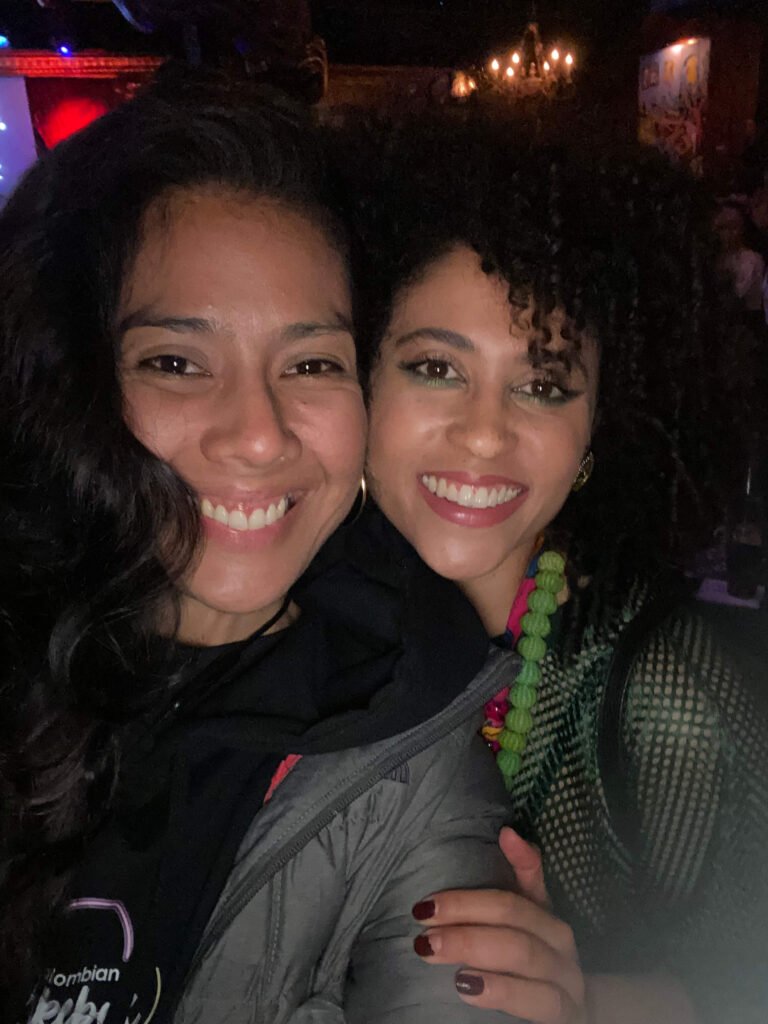
I was introduced to Alea a while back and was instantly captivated. Her art captures a part of my identity, integrating two cultures into the essence of a strong woman. Her music resonates with my own experiences, blending Colombian roots with New York’s dynamic energy. Familiar with Alea’s work, I arranged to visit her shortly after my arrival in New York City. As I made my way to her home studio apartment, the city’s energy resonated deeply. New York, the city where I grew up, has not only shaped my identity but has also influenced Alea’s artistic journey. Her music has been an unwavering source of inspiration, guiding my own path as I explore my own identity.
The Bicultural Experience: Alea’s Unique Perspective
The prefix “bi” carries significant weight, loaded with connotations of versatility and adaptability; bilingual, bicultural, bipartisan, bisexual. It signifies not only the ability to navigate multiple realms but also the responsibility that accompanies such duality. It’s a badge one wears proudly, symbolizing the constant balancing act of appeasing two sets of expectations. Yet, this versatility often comes at a personal cost, demanding continual negotiation and sacrifice.
Alea’s journey is a testament to the multifaceted nature of being ‘bi—,’ a lesson she learned while growing up between the hustling vibes of Medellín and the serene charm of La Guajira. She accepted and understood the complexities of living with privileges in a community that often experiences limitations. This balance became the cornerstone of her development, giving her a distinctive perspective on music and identity, the edge to pursue her goals, and the skills necessary to thrive in a city like New York while bringing her artistic project to fruition.
Breaking Musical Boundaries: Alea’s Innovative Sound
During the early days of Colombian Jukebox, I highlighted Alea as an artist to watch, sharing my thoughts on her 2016 self-titled album. Among the tracks, “Navegando Bocabajo” stands out as a favorite. It is a moving fusion between jazz and cumbia that touches on the therapeutic power behind dance in the face of Colombia’s complex reality. Equally captivating is “Fuente”, a soulful poem that closes the seven-track album, where she reflects on the spontaneity and the liberties found in the creation process.
Todo surge así, repentino, sordo imune
Nace cada partícula antes de ser nada
Solo es
Se juntan y dan formas porque sí
Pues es su gesto más puro
El crear porque su existencia exige crear o morir
Los gestos de nuevo como el primer sueño
El alboroto de ese primer beso
Cuando ese algo aún era nada
Y que canta libre porque puede ser nada
This album was a powerful introduction that showcased her musical prowess and that foreshadowed what was to come. After a self-financed tour of the album through major cities in Colombia, Alea sought her relocation to New York City which would solidify her career as an independent artist.

Alborotá: A Crowdfunded Journey to Cultural Reconnection
New York was a breath of fresh air for Alea. As she describes in our interview, “New York gave me so much freedom as a woman, as an artist. It was the city that gave me permission to do whatever the hell I was dreaming of. And that is something for which I am the most grateful to this city.” While in New York, she had the opportunity to teach and be a lead performer at Folklore Urbano, a musical production company funded by Colombian pianist/composer Pablo Mayor and flutist, Ana Povich de Mayor.
There is something inherently transformative about being uprooted from your culture, from my observations it particularly transcends those who immigrate at the earlier stages of life. After a successful time as a student at Berklee, where she immersed herself in the intricacies of jazz, she felt it was time to explore her roots further and delve into the Colombian musical traditions.
“At that time I really wanted to go back to folklore because I had done jazz for many years. It was time to go back to the roots to study them a little further and learn how to integrate them [to jazz]“
Living in New York made her move beyond idealizing opportunities to realizing them. After being awarded a residency at Greenwhich House Music School, Alea learned the skills to turn her visions into reality. Envisioning a choreographed dance in her music video, she learned the necessary skills during her residency to bring it to life—from mastering breath control for singing and dancing to effectively engaging with the audience and directing a band.
Another cultural heap and challenge for her, and many independent artists, is learning how to fund their projects. After finding a producer for her next project, Sinuhé Padilla, Alea initiated an Indiegogo campaign to bring it to fruition. She successfully raised an impressive $12,000 in just 30 days, providing the seed money needed to begin recording the album and producing the video clip, which would pave the way for future shows and further funding opportunities.
In 2021, after four years in the making, Alea released her sophomore album, “Alborotá,” a powerful exploration of self-empowerment and cultural reconnection. She drew inspiration from her own life, reclaiming words with negative connotations used to describe her unyielding personality, into anthems of resilience and empowerment.
“Así me decían
Oye niña
Alborotá
Y ella como buena dama
Se hacía la loca
Ya ni miraba
Tomaba su mochila, su maraca y su andar
Correteaba aquí, correteaba allí
Ella no miraba atrás
Comentaban los viejos
Oye niña
Alborota
Que tanta curva con merengue
Tu cuerpo, una maldad
Y caminaba con precaución
Con miedo y moderación
Hasta que un día
Alzó la vista
y decidida declaró
Y me decían alborotá
Pero alboroto es el que yo propongo
Que se pongan pilas
Mi compadre que vinimos fue a soná
Adapting to Adversity: Pandemic Reflections and the Future of Alea’s Music
If there is one thing we can all agree on about the pandemic, it is that it brought about change. For Alea, this change came through the validation of her emotions. After leaving a long-term relationship, she was confronted with feelings she had previously avoided writing about.
As she described in our conversation, emotional literacy is as important as math. The generational and cultural stigma surrounding this topic often fails to acknowledge burnout, recognize gaslighting as a form of violence, or promote emotional accountability between people.
“Happiness isn’t just this thing that goes outside and is about celebrating all time and being exuberantly joyous. It’s also about acceptance and it’s also about being genuine with yourself, and authentic and finding the roots to that place.”
Despite her aversion to writing about the “gooey stuff”, she felt it necessary to validate what was happening at the moment, as it was happening. This new chapter sparked a completely new musical production that takes place between, New York, Miami, and Colombia.
“Rompe To’, a single from her new production ‘Deja Que Se Rompa Todo’, anticipated for release in 2025, has already garnered significant recognition. The song, also which also gives title to her upcoming album, was chosen by the curators of NPR’s Tiny Desk contest as the Tiny Desk of the Day in March 2024.
View this post on Instagram
The album, deeply personal and a celebratory journey of recognizing emotions, features collaborations with important industry producers. Alea mentions the incredible opportunity of working with Latin Grammy Award-winning producer Maria Elisa Ayerbe, whom she describes as genuinely invested in promoting the growth of other women in the industry. Mr. Pauer, who recently released a single with Goyo from ChocQuibTown, leaves his electronic mark on one of the tracks.
Esteemed producers such as Edgar on the Beat, Felipe Fournier, Matuk, Natalia Hernandez, and Pablo Ahogado are also contributing to bringing this cathartic album to fruition.
The first single of this album, “Sol de mediodía,” is an R&B tune inspired by artists like H.E.R and Alicia Keys. Produced by Maria Elisa Ayerbe and Edgar on the Beat, the song offers a soulful reflection on overcoming heartbreak as she embraces her inner strength, cherishing every moment life has to offer.
The Future of Alea’s Music: An Ongoing Journey of Innovation
Alea’s narrative is a powerful testament to resilience, cultural reconnection, and emotional authenticity. Her story is a powerful and inspiring reminder that we are multifaceted and changing beings. As she continues to break boundaries and challenge norms, Alea stands as a beacon of empowerment and creative evolution, leaving an indelible mark on the music scene.
Join the Journey
Discover more about Alea’s incredible journey by following her on social media, streaming her music, and supporting her upcoming projects. Stay tuned for her new singles and album release, and join us in celebrating the fusion of cultures and sounds that define her unique artistry.
The Battle for Vinyl’s Soul: Why Medellín’s Record Stores Are More Than Just Shops
Vinyl records have made a remarkable comeback amidst the immediacy and convenience of the digital age. In Colombia, Medellín holds a special place in the country’s musical legacy. Major international record labels like Discos Fuentes, Codiscos, and Sonolux operated out of the City of Eternal Spring, serving as key players in shaping the soundtrack of Colombian youth for decades. Apart from radio, vinyl records were the primary medium for listening to music. With the largest vinyl manufacturing facility in the country, Discos Fuentes could press and distribute records both nationally and internationally, thus entering the homes of many Colombians and, eventually, the world. This golden era lasted until the 1990s, when piracy and the internet began to take over.
Today, a passionate community of vinyl enthusiasts is thriving, cherishing the tactile experience and the rich sound of records while rescuing memoires and building new ones. However, the future of vinyl is a subject of debate among some of Medellin’s record store owners—and naturally, Billie Eillish. In this blog, we explore the meaning behind record sales and the contrasting views on vinyl’s destiny.
The Cultural Significance of Vinyl Stores
Vinyl stores offer a sense of community. Regular customers often become friends, sharing recommendations and bonding over shared musical taste. In Medellin, vinyl stores are more than just a place to buy music; they are cultural hubs that offer a nostalgic journey back to an era when music was physically purchased and represented a significant economic driver for the city. A few blocks east of Plaza Botero in downtown Medellin, you’ll find a few vinyl store owners passionately describing the city’s golden age of records.
At a panel on the importance of Record Store Day at the 2024 BIME conference in Bogotá, La Roma Record executive César Sánchez Olín described vinyl stores as indispensable as libraries. He claimed that they are corporate bombs, spreading art and culture, and that their absence would be a strike against artistic expression.

Since the pandemic, there has been a spike in the opening of record stores. It was a time saturated with online connections like Zoom meetings with colleagues, family, and friends, social media interactions that provided a semblance of #humanconnection, and a boom in online shopping. Among the new online retailers were vinyl stores on Instagram and Facebook, which continue to thrive today. Even brick-and-mortar stores have established an online presence; it’s indispensable now. However, walking into a store and being guided by knowledgeable staff, discovering new music, analyzing the cover art, reading the credits, and inspecting the actual vinyl is irreplaceable.
The Collector: Passion and Purpose
For millennials, Gen Z, and the generation that starts the alphabet again—Generation Alpha—the resurgence of interest in vinyl is part of a broader interest in analog culture. People seek authentic, high quality experience that digital formats sometimes lack. But for those who have been collecting records since their adolescence or even childhood, the appeal goes far beyond nostalgia.

At another panel I attended at the BIME conference, Jaime Andrés Monsalve, explained that his motive for collecting records is his desire to have the complete repertoire of artists he enjoys. When CDs replaced vinyl, labels began producing anthologies or greatest hits collections. It’s difficult to find complete CD albums from artists like Lucho Bermudez or Pacho Galan; instead, you find compilations or greatest hits.
Dennis Murcia, Global Marketing Consultant, Business Development, and A&R at Codiscos, said, “Digital is convenience, vinyl is experience”. There is something more democratic and transparent about vinyls. They generally included detailed credits that list all the individuals who contributed to the music, such as musicians, producers, engineers, and graphic designers. Most include liner notes and inserts that often provide additional context, such as the story behind the album, lyrics, dates, and recording locations. By ensuring recognition for all contributors, the listening experience fosters a deeper connection between the audience, the music, and the people involved in creating the art. Something digital music doesn’t allow for.
Navigating Challenges, Finding Inspiration
In speaking with William Martínez, owner of El Jibarito, a salsa bar and LP store in downtown Medellín, we discussed the drive behind collectionists. He described a profile that he has seen over his trajectory as a vinyl salesperson. He said that some collectors are driven by competitive rather than genuine passion for music. According to Martínez, the desire to own rare or exclusive items lead collectors to prioritize acquisition over appreciation, often driven by an extrinsic factor—showing off. He suggests that the true appreciation of music lies between the listener and the music itself and not in a race to own the most coveted items.

There are environmental considerations that must not be ignored. In a recent interview centered around environmental activism for Billboard, Billie Eillish called out the “wasteful” ways the “biggest artists in the world” sell an overwhelming amount of vinyl variants to secure top spots in charts. Despite her critique, Eillish doesn’t exclude herself from these exploitative practices, but she has taken steps to mitigate her impact by pressing her new album Hit Me Hard and Soft on recycled or eco-vinyl, with packaging made from recycled materials.
The production of vinyl records involves PVC (polyvinyl chloride), which is not environmentally friendly, releasing harmful chemicals during manufacturing and contributing to long-term environmental damage. Additionally, the extensive packaging including plastic wrap and cardboard, adds to the waste generated by vinyl sales.
As a community driven by our passion for music, we must not forget the environmental footprint our hobbies may leave behind. While the tactile and nostalgic appeal of vinyl is undeniable, it’s important to consider sustainable practices in both production and consumption. This includes supporting eco-friendly vinyl options, minimizing packaging waste, and purchasing used vinyls.
Cultivating Growth: Stories from the Medellín Vinyl Community
Jorge Ivan De La Hoz runs El Sindicato del Vinilo, a cozy vinyl store located within a cultural house in Boston, right in the heart of downtown Medellín. He doesn’t just see vinyl as a business; he sees it through a cultural lens. Through his and his partner’s initiative, Casa 3951, he hosts lively discussion panels and vinyl parties, creating a space where music lovers can come together and connect through the vinyl scene.

Beyond his storefront, he’s a fixture at the Lost and Found festival, a traveling event that he joins several times a year. Here, he sets up his stall, offering a diverse selection of records to offer music fans that stop by.
In our chat, he exudes confidence in the ongoing growth of the vinyl industry. He shares a heartwarming storey about a 16-year old customer who’s incredibly passionate about music. Accompanied by his mom, this young enthusiast frequents the store to add classic rock vinyls front he 60s and 70s to his collection, diligently saving up for each new addition.
Conclusion: Embracing the Harmony of Vinyl
Vinyl records, once the cornerstone of Colombia’s musical landscape, have reclaimed their space in the hearts of music enthusiasts worldwide. Despite facing challenges that are brought upon the digital age, record stores have evolved into cultural hubs, preserving memories and forging new connections.
As we look ahead, the vinyl community remains ripe for optimism and growth all while ensuring that we continue leaving a positive legacy for future generations.
From Bogotá to NYC: Daniela Serna’s Percussive Journey Shaking Up the Music Scene
It was a very cold first day of spring in Williamsburg, New York—just a day shy of my return to Medellín—where I found myself really excited to chat with Daniela Serna, a talented NYC artist and Colombian musician who’s made waves as a percussionist in New York. My introduction to Daniela was as modern as they come: an Instagram Reel showcasing La Manga, an all-female ensemble delivering soulful Colombian music, with my favorite place, Gantry Park on the backdrop. Add to that Manuela Agudelo’s mesmerizing dance, and I was hooked.
View this post on Instagram
Our initial recording spot, a residential building in Williamsburg, turned out to be a non-starter thanks to some unexpected no-recording rules. But in true New York fashion, we pivoted on the spot. Determined not to leave the city without having a conversation with Daniela, we found ourselves at Sapphire Deli on the corner of N 4th Street and Kent Avenue, transforming a corner deli into our impromptu recording studio.
Crossing Borders and Breaking Stereotypes
Daniela is a seasoned NYC artist and Colombian musician, having learned her skills at La Universidad Distrital Francisco José de Caldas. Beyond her formal studies, her artistic journey has been shaped by travel and learning from influential artists like Pabla Flores, Emilsen Pacheco and Latin Grammy Award-winning Petrona Martínez, Daniela has created diverse and richly layered artistic journey. As a traveling artist, Daniela brings traditional Colombian rhythms like mapalé, cumbia, and bullerengue to life through tambores, and gaitas profoundly shaping her world view. Additionally, living in New York City for nearly two and a half years, she has seized every opportunity with hard work, persistence, and an openness to breaking music stereotypes, taking the city’s music scene by storm.

Her artistic narrative is deeply rooted in female collectives. From her early days with La Perla and Aguasalá in her native Bogotá to her pivotal role in LADAMA since 2014, Daniela has championed collaborative efforts. LADAMA, a groundbreaking ensemble comprised of Lara Klaus from Brazil, Mafer Bandola from Venezuela, and Daniela Serna, was born out of ONEbeat, an international music exchange program celebrating musical collaboration and social engagement.

Photography by @shervinfoto
At the core of her creative ethos lies a commitment to challenging norms, including her notable participation in all-female bands. She embraces her identity as a woman in music with confidence and authenticity, setting her apart in the industry.
“Soy capaz de todo quiero grabar la música que me nace del alma de las entrañas, obvio quiero que a la gente le guste, pero a la que a mas le tiene que gustar, y la que está pegada escuchando la música, soy yo.”
Embracing Opportunities as an Octopus Artist
For Daniela, New York City isn’t just a backdrop—its a muse that reciprocates her creative passion. From the get-go, the city has encouraged her artistic evolution. Its where she’s crossed paths with other creatives that have paved the way for collaborative ventures like La Manga, the all-female ensemble that initially caught my eye and introduced me to her. The city vibes have also led her to join forces with an all-female salsa orchestra, La Lulada—a unique gem with an all woman lineup in the heart of the city that birthed salsa.
“Una manera de contar mi historia, que me gusta, y que he logrado aquí en Nueva York, es sentirme como un artista pulpo. ¿Sabes? Es como que tengo varios tentáculos y como que no tengo que tener un solo perfil como músico.
AKUPERCU: LO-FI Meets Latin Beats
At the heart of Daniela’s musical journey is her solo project, AKUPERCU, which culminates in her upcoming album, LO-FI TAMBO. Featuring the debut single ‘No Paren,’ the album’s production captures the energy of New York City and the rhythmic spirit of Puerto Rico. It was recorded by five Colombian producers, including two talented women, and Puerto Rican producer Toxic, known for his work with Tego Calderón.
LO-FI TAMBO is a percussion-driven exploration, fearlessly blending electronic sounds with traditional rhythms like plena-lofi, rap-mapalé, change-lao, and bachata footwork. The album will premier during Daniela’s European tour, with shows in Barcelona, Vienna, and Paris this summer 2024. The album’s Colombian production credits include Pernett, Matuk, Monokike, Katherine O’Campo, and Carolina Duran, adding depth to the mix.

Photography by @empeliculado
Recently I had the privilege of a private listen to the album, and its packed with infection beats. The sound immediately transport me to a warm, lively place, embodying Daniela’s unmistakable energy.
“Si creo que mi sonido ha evolucionado, con Akupercu puntualmente y este disco que voy a lanzar, Me di todo el espacio para jugar y experimentar. Listo me gusta una cumbia, o una plena, pero quiero una plena lo-fi”
Cultural Exchange Tour with LADAMA
Earlier this year, Daniela took on an opportunity with LADAMA, which she fondly refers to as a “work-show”—a didactic space and cultural exchange facilitated by World Fest, a project sponsored by Arts Midwest. Having the opportunity to go into elementary and middle schools across the upper Midwest states of North Dakota, South Dakota, and Minnesota, Daniela and LADAMA were able to craft a musical bridge between Latin American heritage and United Statesean culture.
She introduced students to a diverse range of instruments, from the gaita corta—a Colombian indigenous wind instrument native to the Kogui nation in the Sierra Nevada de Santa Marta—to the bandola llanera, a string instrument from the Eastern Colombo-Venezuelan plains, and the tambor alegre, a percussion staple in the Caribbean region of Colombia.
The students were captivated, embracing the sounds with enthusiastic body percussion and dance. This cultural exchange not only served as a welcoming embrace for Latinos newly arrived to the country but also sparked an interest in language learning among the native students.

Photography by Janet Eckles
For Daniela, this experience was also a rich learning opportunity, allowing her to connect with indigenous communities, like the Lakota, and deepen her understandings of their heritage and traditions.
“Dakota fue super importante porque Dakota es territorio indigena. La palabra Dakota es una palabra indigena. Recorrer esos espacios son muy importante para nosotras porque nos permite entender en que lugar estamos, entender la realidad social y cultural de este país.”
Redefining Music with Resilience, Creativity, and Passion
As our conversation wrapped up, it was evident that Daniela Serna is the embodiment of resilience, creativity, and passion. From her ground breaking projects like LADAMA to her solo venture AKUPERCU, Daniela continues to challenge the status quo and redefine what it means to be a musician in today’s fast paced world.

Her journey from the streets of Bogota to the hustle and bustle of New York City serves as an inspiring testament to the transformative power of music and collaboration. With her upcoming singles on the horizon, there is no doubt that Daniela’s star will continue to rise.
As we parted ways, I couldn’t help but feel grateful for the opportunity to dive into the world of a truly remarkable artist. Daniela Serna’s story is a reminder that when passion meets perseverance, the possibilities are endless. So, keep an ear out for Akupercu, and get ready to embark on a musical journey unlike any other.
Latest Posts
What Marty Supreme Gets Right About First Generation Americans
Marty Supreme (2025) directed and co-written by Josh Safdie is a movie about the 1950s American dream. The movie is losely based on the life of Marty Reisman, a professional tennis player. Marty was also a child of Ashkanazi Jew immigrants that had settled in New...
The “Where Are You From?” Trap. Why NYC is so EXHAUSTING!
I often wonder if I will ever move back to New York City and then I remember the city's identity dynamics. The answer is pretty simple! New York City is very small in size. It measures 472.43 sq mi (1,223.59 km2). There are currently 8.5 million people living in the...
How Moving to Colombia Changed My Music Taste
I've been listening to a lot of 90s pop and R&B recently. It got me thinking of all the changes my listening habits have gone through. I grew up with limited access to music. For the most part, I grew up listening to Top 40 radio. That meant Casey Kasem on...
Book Now!