Within the rich history of Colombian music, artists often navigate the delicate balance between national anonymity and international acclaim; Abelardo Carbonó is the embodiment of this phenomenon. Colombian Jukebox, alongside musician and record collector Masilva, have embarked on a journey on YouTube to uncover the hidden gems of Colombian music, starting with a Carbonó masterpiece. The exploration begins with Carbonó’s 1980 album, “Guana Tangula,” which serves as a testament to the innovative spirit and the cultural fusion that defines the richness of Colombian music.
Watch on YouTube
The Musical Legacy of Abelardo Carbonó
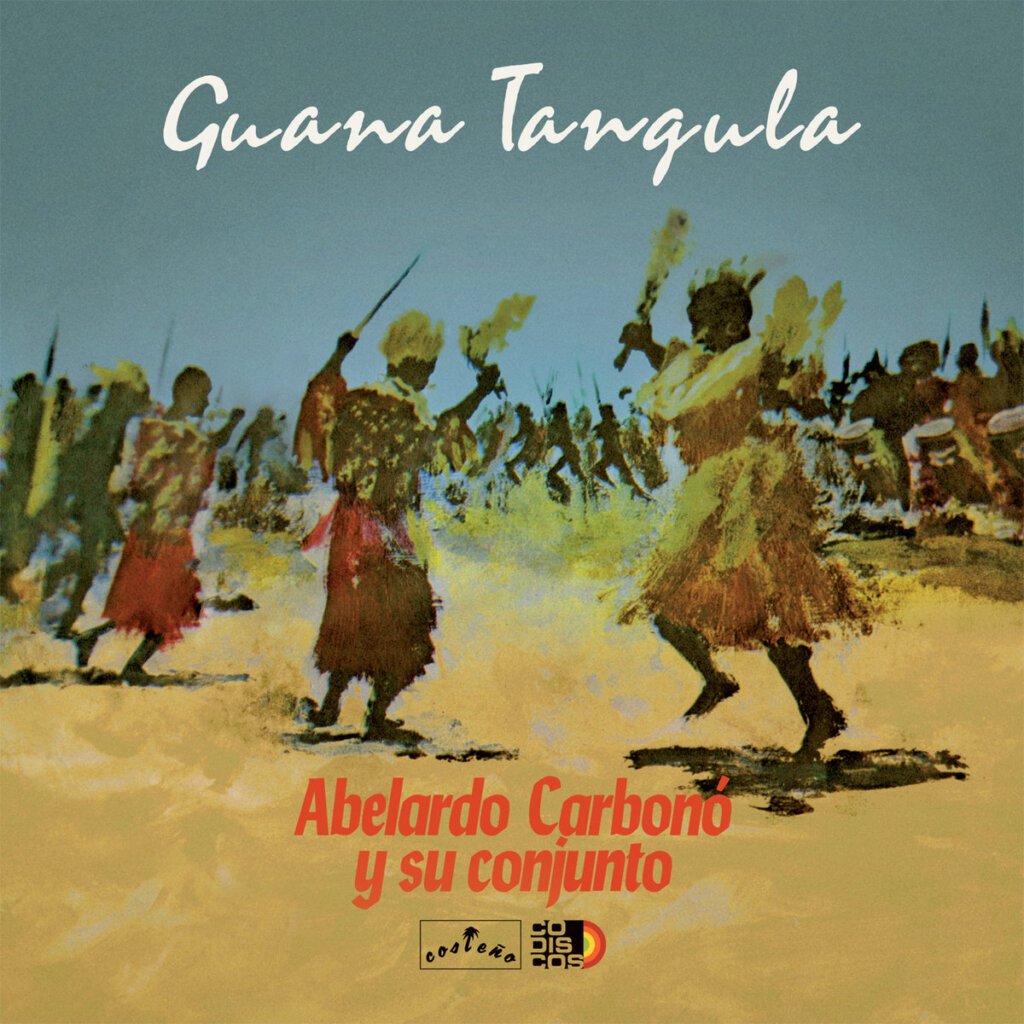
In our quest for musical exploration, Masilva introduced me to several albums by artists previously unknown to me. Among them was “Guana Tangula,” a captivating work that immediately captured my attention with its striking cover art. The painting depicts a scene reminiscent of Colombia’s northern desert region with a group of people gathered in a dry landscape, dancing and celebrating beneath the blue skies.
Masilva and I crate digging at Archivo Musical in Medellín
His descriptions—”Steaming hot Guana Tángula,” “You can party all the way through it,” “Wicked Shit!,” “Gozadera Garantizada”—painted a vivid picture of the album’s energy and vibrancy. Masilva’s enthusiasm for the album proved contagious. As I immersed myself in the music, the sounds and rhythms transported me back to my youth in the Caribbean region of Colombia, reminiscing on moments spent with family and friends. The lyrics of “Guana Tangula”, some in an unknown language, heightened my sense of nostalgia, serving as a celebration of life. The light and refreshing tones added to an unforgettable auditory experience.
Sharing this listening experience with Masilva is truly remarkable. He has been a longtime fan of Abelardo Carbonó and in 2015, had the opportunity to collaborate with the legendary artist on a two-track EP titled ‘Masilva Carbonó’. The EP was edited by Masilva before signing to Tambora Records. He brings a unique perspective to the discussion, drawing from his firsthand experiences as a musician and collaborator.
Abelardo Carbonó: A Maverick in Music
Abelardo Carbonó’s musical journey is as intriguing as his compositions. Born in Ciénaga, Magdalena, in 1948, Carbonó carved out a niche for himself as a guitar player, singer-songwriter, and innovator. Alongside his brothers Abel and Jafet, Carbonó formed a band in the coastal city of Barranquilla, where they released their most influential work in the late ’70s and early ’80s. He was also known to be a police officer.
Despite a period of relative obscurity, Carbonó’s music experienced a resurgence thanks to champeta compilations published by Lucas Silva, director and founder of Palenque Records along with Soundway Records in 2010. However, it wasn’t until 2013, when Spanish label Vampisoul edited a seventeen track compilation of his songs in a two-vinyl edition, that truly brought him back to the public eye, and initiated his tour around Colombia and Europe.
A Google search of Abelardo Carbonó is full of headlines that hail him as the godfather, precursor, and champion of champeta—a Colombian music genre originating from the Caribbean region. However, in an interview with El Heraldo, Carbonó humbly deflects these titles, emphasizing that he does not consider himself the creator of champeta; rather, it’s a moniker bestowed upon him by his followers. He describes his guitar playing as instinctive rather than premeditated, likening it to the approach of a foreigner discovering the instrument anew. Carbonó was acutely aware of his role in music, viewing himself not as a mere performer, but as a designer of sound.
Fabián Ahimada, Abelardo Carbonó, and Masilva at Einar Escaf’s Studio Photography by Nadina Marquisio
Proud of his Afro and indigenous roots, Carbonó identifies with Afro-Latin music and embraces his cultural heritage. While he expresses a hint of resentment towards his relatively modest recognition in Colombia, he takes pride in his acclaim abroad, where his music has found an audience.
Tragically, Carbonó’s life was cut short by COVID-19 complications in 2021, leaving behind a legacy that continues to inspire and captivate audiences worldwide.
Guana Tangula: A Musical Journey
Carbonó’s second studio album, “Guana Tangula,” was originally released in 1980 by Costeño-Codiscos and most recently re-released in 2020 by VampiSoul-Munster Records. The album stands as a testament to his creative vision and musical prowess. Recorded exclusively with acoustic guitars—a departure from his usual electric sound—the album showcases a diverse range of influences, including African Soukus, Afrobeat, Highlife, Vallenato, Cuban son, and Guaracha, as well as elements of rock and roll.
Masilva’s insights into the album’s intricate guitar work, hypnotic rhythms, and infectious energy provide a deeper understanding of Carbono’s genius. His insights offer a deeper understanding of Carbonó, highlighting the album’s intricate guitar work, hypnotic rhythms, and the infectious energy of the selected tracks we listen to in the video. His passion for Carbonó’s music shines through, making him the perfect guide through the labyrinthine world of “Guana Tangula.”
Don’t Miss Out on the Experience
“Guana Tangula” is more than just an album—it’s a musical journey that invites listeners to explore and discover. Join Colombian Jukebox and Masilva as they delve into the depths of Carbonó’s masterpiece, uncovering the magic that lies within its grooves.
Support Colombian Music
Show your support for Colombian music by purchasing “Guana Tangula” and exploring other works by Abelardo Carbonó. Your contribution helps preserve the legacy of artists like Carbonó, ensuring that their music continues to inspire future generations.
NPR Tiny Desk concerts, known for intimate performances, have featured Colombian music and artists, showcasing their soulful talents globally. From its humble beginnings to its expansive reach, Tiny Desk has been instrumental in broadening musical horizons. For me, it’s been a treasure trove of discovery, allowing me to visually match sounds and immerse myself into musical diversity. This article shines a spotlight on five Colombian artists that have graced the Tiny Desk stage, both at the NPR offices in Washington, DC and at remote locations.
The Story Behind NPR’s Tiny Desk Concert
Tiny Desk concerts began in 2008 as an intimate series of performances hosted at Bob Boilen’s desk at NPR. The idea began after Bob Boilen, the former host of All Songs Considered and Stephen Thompson left a South by Southwest performance frustrated because they couldn’t hear the music over the crowd noise. Bob Boilen suggested that the performer, Laura Gibson, should just go and perform at his desk, which happened a couple of months later. The Tiny Desk brand has expanded to include Tiny Desk (Home) Edition during the pandemic. Additionally, the Tiny Desk x globalFest series was an initiative created to promote international music discovery. They also have international presence with Tiny Desk Korea and Tiny Desk Japan.
Tiny Desk received a lot of initial criticism for their narrow hipster-indie music curation. However, as they have grown, they have included all kinds of genres into their program, doing an excellent job at celebrating musical expressions from all around the world.
Tiny Desk concerts have been instrumental for me as a non-musician. They have helped me learn about different instruments and their sounds. Similar to Colombian Jukebox, their intent is to share lesser known music with the world.
In 2017, in recognition of Hispanic Heritage Month, which is celebrated between September 15 to October 15 in the United States, NPR introduced ‘El Tiny’, a special series featuring Latinx artists. As quoted by Ana Maria Sayre, co-host of Alt. Latino “We want to represent both what is happening in Latin music at the moment, what is happening culturally for us at the moment, but we also want to bring artists who are kind of, like, projecting us forward a little bit”. The term “El Tiny” was an endearing term used by a member of Jorge Drexler’s band during a performance at the studios.
Here are 5 Colombian artists that have made the Tiny Desk.
1. Diamante Eléctrico – A Political Statement in Rock
In 2021, Colombian rock band Diamante Eléctrico delivered a powerful Tiny Desk (Home) Concert that was nothing short of electrifying. With a full 10-piece band, the performance transcended the typical Tiny Desk format which only allows for people that fit inside the desk area at their Washington, DC offices.
Juan Galeano led the charge with political anthems like “Amalia”, alongside his brother, Mario Galeano, founder of a Colombian subgenre known as tropicanibalismo. Part of the Tiny Desk Concert requirements is to feature a desk in their performance video. Diamante Eléctrico did an excellent job at incorporating this requirement. They used the desk as percussion instruments while holding pencils as drumsticks, an introduction that made the band’s raw energy and passion palpable.
2. Meridian Brothers – Psychedelic Cumbia Fusion
Blending cumbia, salsa, and psychedelic sounds, Meridian Brothers offered a unique auditory experience at their Tiny Desk concert. Led by Elbis Álvarez, the Meridian Brothers are an experimental latin fusion group from Bogotá. They began in extraterrestrial fashion with distorted vocals and with an array of effects, including the use of the vibraslap. Then, they transitioned over to ‘¿Dónde Estás María?,’ the tile of their 2017 album. They concluded with ‘Bomba Atómica’, a song that as mentioned by @bubblisimo in the comment section should have been the theme song for Christopher Nolan’s blockbuster movie, Oppenheimer.
3. Gregorio Uribe – The Accordion Maestro
If I were to be an instrument, I would definitely be the accordion. This European contribution to Colombian folklore makes my skin crawl (in a good way). Gregorio Uribe is a well-known and established accordionist, singer-songwriter, and now a published author. I have had the opportunity to see him on several occasions at Terraza 7 in New York and also share the stage with Carlos Vives at Madison Square Garden. His musical repertoire includes work with influential and important artists in Latin American music history, such as Ruben Blades. Gregorio’s sounds are so rhythmic, full of color and life that it’s easy to ignore the existential messages that come with his music.
Gregorio Uribe’s Tiny Desk concert was a spiritual journey filled with existential musings and heartfelt melodies. Always impeccably dressed, Uribe’s love for the accordion shone through. His introspective songs resonated deeply, offering a moment of reflection amidst the chaos of everyday life. He navigates through a spiritual search with ‘Damasco’, and explores the religious cultural shift central in Nietzche’s philosophy in “God is Dead” with his song ‘Atlas’.
4. Jessie Reyez – A Modern Rebel with a Cause.
Opening with a language warning, Canadian-Colombian singer-songwriter Jessie Reyez’s Tiny Desk Concert was a bold declaration of her modern rebellious feminine spirit. Incorporating elements of Colombian music, Reyez’s performance was both contemporary and rooted in tradition. From crafting a guacharaca using a used PBR beer can to incorporating the emblematic vallenato, ‘Los Caminos de La Vida’, her rebellious attitude made this set a memorable one.
I have seen several recent interviews where Jessie speaks about her social anxiety and her new path into sobriety. This contrasts sharply with her life during the NPR Tiny Desk Concert. It is definitely something I can relate to, and I am excited to see what is new with this new lifestyle.
5. Rio Mira – A fusion of Afro-Latin Rhythms.
In representation of the Pacific region of Latin America and formed by artists from Ecuador and Colombia, Rio Mira’s Tiny Desk concert in 2019 was a celebration of Andean Afro-Latin heritage. Rio Mira, named after a river separating Ecuador and Colombia, is directed by Esteban Copete. He plays the marimba de chonta, the instrument that dominates their sound. The group’s infectious rhythms and soulful melodies are a testament to the power of music to bridge the cultural divide.
Tiny Desk and Beyond
The NPR Tiny Desk concerts have become a stage where Colombian artists shine brightly, showcasing their unique sounds and stories. From the passionate energy of Diamante Eléctrico to the eclectic vibes of Meridian Brothers, these artists have beautifully represented the diversity and depth of Colombian music. As more talented artists from Colombia have made and continue to make their mark on the Tiny Desk stage, there will be more blog articles featuring these remarkable talents. In the meantime, enjoy these incredible performances that highlight the richness of Colombian musical heritage.
Colombian music is a collection of historical legacies and cultural influences that has made its way around the world with energizing rhythms. Yet, aside from the clichés and stereotypes that characterize its music, evident with a simple search engine query, lies a universe that holds stories of evolution and diversity waiting to be discovered. In this exploration of Colombian music, we will dive into five insider insights that have challenged my perceptions and have expanded my horizons on Colombian culture.
The Roots Run Deep: Exploring Colombia’s Musical Heritage
By acknowledging Colombia’s geographical influence and cultural diversity, we gain a deeper understanding of its rich history and evolution. Colombia’s unique geographic position, with access to both the Pacific Ocean and the Caribbean Sea, has played a significant role in shaping its musical landscape. The Caribbean Sea has served as an important connection between the continent’s two main rivers, North America’s Mississippi River and Colombia’s Magdalena River, which has facilitated cultural exchanges over the years.
The coral islands of San Andrés, Providencia, and Santa Catalina add another layer to the country’s rich diversity. Located in the Caribbean Sea, these islands boast a rich and vibrant Creole culture that is distinct from the mainland. The islands’ proximity to Jamaica and other Caribbean nations has led to the influence of reggae, calypso, and other Caribbean music styles into its local scene.
This intricate blend of cultural influences and geographic diversity set the stage for the many musical genres and styles that Colombia has to offer. Icons like Carlos Vives and Shakira have blended the diverse influences into their music, creating award winning sounds that are uniquely Colombian. Their ability to blend traditional Colombian rhythms with contemporary styles have allowed these sounds to travel all around the world, captivating audiences and earning international acclaim.
Beyond Clichés: Diving into the Diversity of Colombian Genres
In recent years, Colombian music has experienced an explosive growth in reggaeton and trap, thanks to artists like J Balvin, Maluma, and Karol G, further elevating Colombia’s popularity on the global stage. Contrary to popular belief, Colombian music is not confined to the catchy beats brought to us by these icons. While these artists have made significant contributions to Colombian music and have helped popularize Colombianness, there is a vast spectrum of sounds waiting to be explored.
While mainstream Colombian artists have garnered international attention, its the underground music scenes that have truly captured my heart. By weaving their stories into experimental sounds and through traditional folk music, I have learned there is something for everyone.
The dynamic evolution of Colombian music is a testament to its ability to adapt and innovate while honoring its traditions. This adaptability is evident in subgenres like salsa choke and break-salsa, as well as emerging musical styles like Ritmo Exótico.
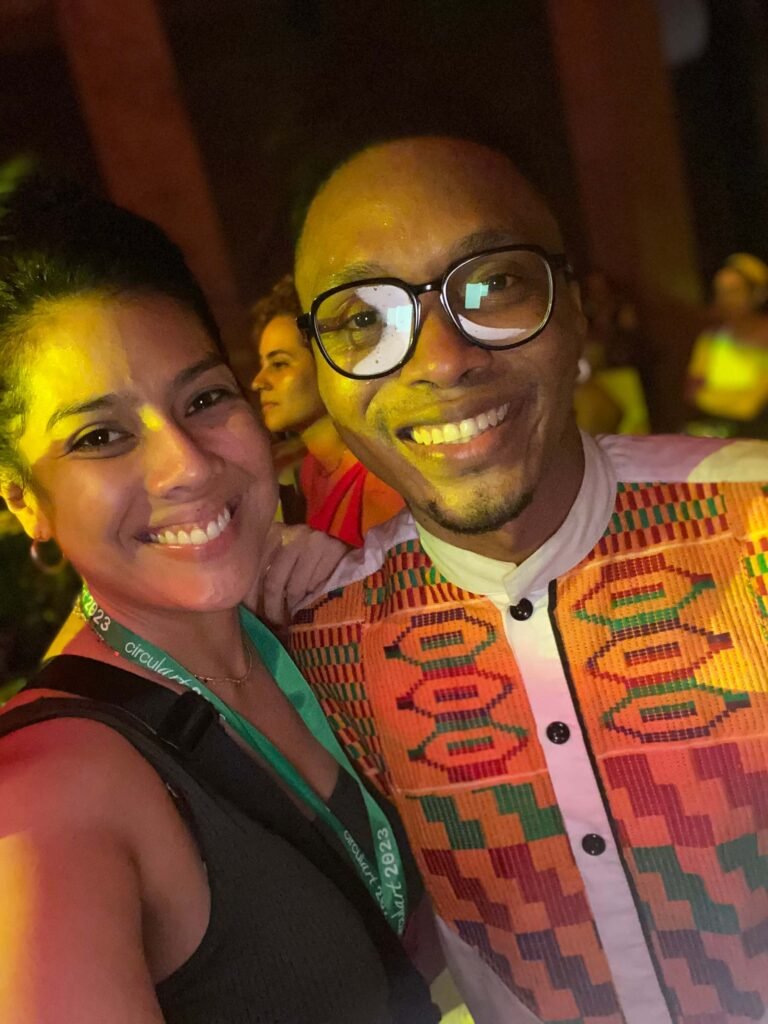
Alexis Play and I at the 2023 Circulart Music Market in Medellín. Alexis Play, a musician, producer, and mentor from El Chocó, is renowned for blending urban sounds with traditional elements from his homeland, including Ritmo Exótico, a Pacific genre that merges contemporary styles like reggaeton, salsa and champeta.
In addition to these unique genres, artists interpreting hip hop, rock, and pop have added their own special Colombian characteristics, creating a fusion of sounds that resonates with both Colombian audiences and international listeners.
Unveiling Underground Scenes: The Thriving Indie Music Community
Looking beyond pop culture, the allure of Colombian music is impossible to ignore. The country’s tropical rhythms, especially those captured on vinyl between the 1950s and 1980s, have become coveted treasures by collectors worldwide.
International labels such as Munster Records Vampisoul have focused exclusively on reissuing and rereleasing vintage and lesser-known international artists. In their efforts to revive the retro global music scene, they have dedicated substantial attention to Colombian music, curating compilations and reissuing works of Colombian artists from labels such as Discos Fuentes, Codiscos, and Costeño. Their commitment to resurrecting tracks, albums, and artists that have yet to reach the masses has significantly contributed to the accessibility of Colombian music to new audiences and collectors worldwide.
Local independent record labels, such as Polen, Palenque, and In-Correcto, have played a pioneering role in the recollection of Colombian sounds. These labels have not only given birth to experimental music ensembles like Meridan Brothers, Frente Cumbiero, and Bomba Estéreo, who led the forefront in the early 2000s but also continue to carve out their own niche in the local market. They persistently push boundaries between experimental electronic and folk inspired indie rock, contributing to the diversity of Colombian music.
Colombian Record Labels
Live music performances and the experience of watching artists perform onstage are indispensable for the growth and evolution of music. Venues like La Pascasia in Medellín and Quiebracanto in Bogotá have played pivotal roles in the development of emerging artists, providing crucial platforms for them to showcase their talents, connect with audiences, and refine their craft.
La Pascasia is an emblematic music venue and cultural space in downtown Medellin where emerging artists take center stage.
The Power of Protest: Colombian Music as a Voice for Change
As someone with deep Colombian roots, living among the daily ups and downs of its culture has felt like second nature. However, starting Colombian Jukebox, has unearthed layers to understanding and truly appreciating what it means to be Colombian. I had just begun to feel comfortable calling Colombia home when the world plunged into a pandemic crisis, bringing in an era of strict curfews and a collective shift into digital space for communication and collection—a ripe time for introspection.
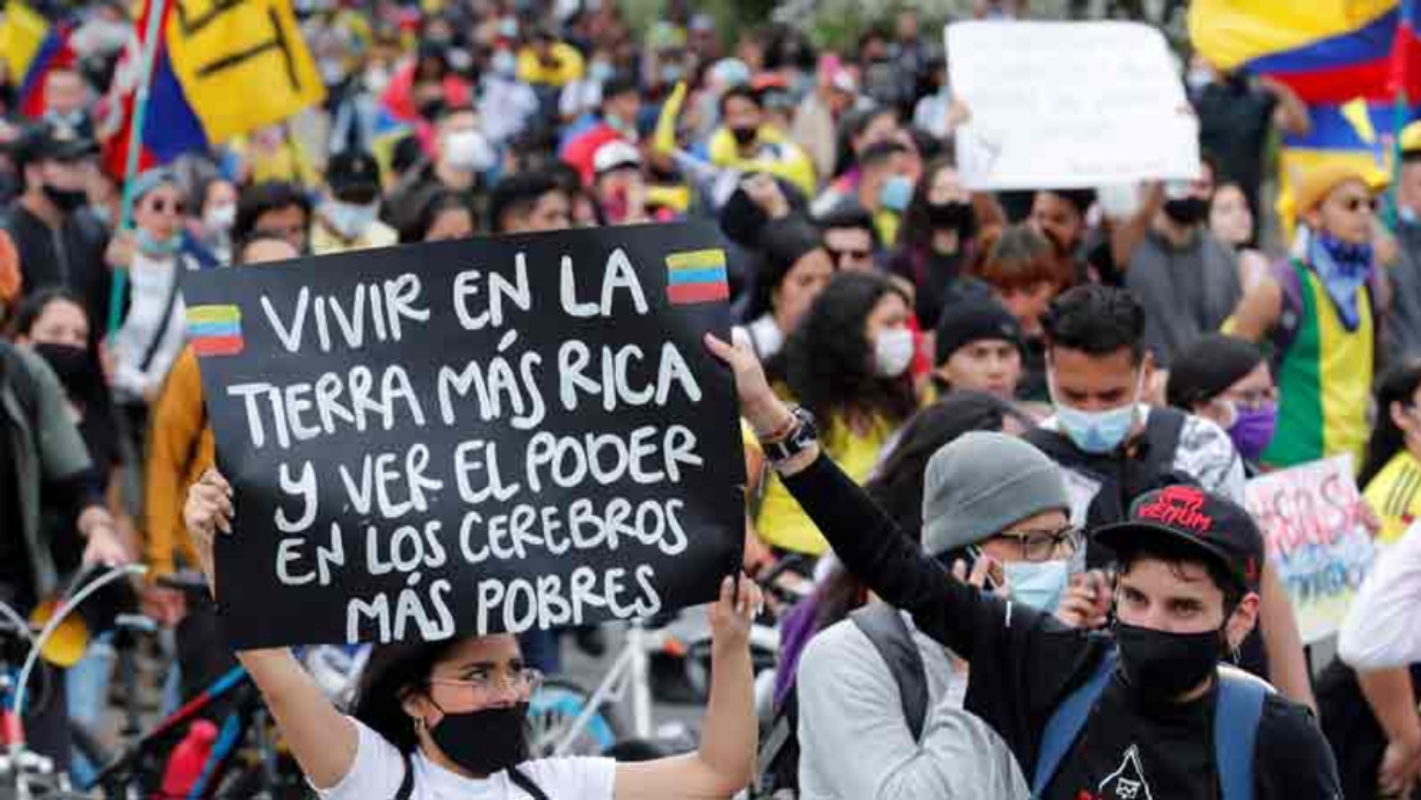
By May 2021, Colombia found itself in the throes of social unrest, a period that takes the cake as one of the most intense experiences I’ve had here. A proposed tax-reform by the then-president ignited nationwide dissent, parking street protests met with formidable resistance from the government and its anti-riot forces.
Yet, art has an uncanny ability to flourish amidst adversity. Colombia’s creative community—artists, singers, and songwriters—came together with an intense passion that resonated across the nation. Leading the charge was Alcolyrikoz, a rap group renowned for their poignant protest lyrics. Their collaboration with Junior Zamora on ‘La Caza de Nariño’ ingeniously transformed the presidential residence (La Casa de Nariño) into a hunting ground (La Caza de Nariño), a subtle linguistic shift that spoke volumes.
One verse, in particular, resonated deeply:
“Carlos Vive hablando de su tierra visita La Sierra Nevada, luego abraza al de la motosierra”
La Caza de nariño – alcolyricoz
The lyrics allude to a picture that the artist took with the controversial former President of Colombia, Álvaro Uribe Velez. As a huge fan of Carlos Vives, the lyric struck a chord with me, revealing the deep divisions within the country that I hadn’t fully recognized before.
Music has been my lens, my guide, revealing the complexities and beauty of Colombia in ways I never imagined. Through music, I’ve also gained valuable insights into the female experience in Colombia through lyrics from La Muchacha Isabel, and have been able to grapple with environmental and social issues through the stories sung by Edson Velandia and Masilva.
Evolution and Innovation: Colombian Music in the Digital Age
Discovering Colombian music has largely been a solo journey, however I’ve discovered several local projects dedicated to music that have been invaluable guides in uncovering what’s happening. Juan Antonio Carulla and his initiative, El Enemigo has been instrumental in amplifying what lies beyond the diversity found in Colombian music. His efforts have been indispensable in introducing a new musical horizon to many Colombians, despite his eyebrow raising candid commentary.
Juan Antonio Carulla, director of El Enemigo, an independent media channel focusing on the independent Colombian music scene. Picture taken from elenemigocolombia.medium.com
We have all witnessed and participated in the reshaping of the music industry in the digital age. While technology has created new business models that have democratized access, it has also introduced new gatekeepers, that keep aspects of the traditional music industry dominant. Today’s artists go through the ups and downs of algorithmic unpredictability and deal with challenges stemming from cultural and financial capital disparities.
Social media has been excellent for artists to cultivate closer relationships with fans and form their own niche market. On a personal note, I have been able to forge meaningful connections with artists, facilitating memorable experiences like spending time with Tres Coronas or receiving warm welcomes at events alongside artists like Juancho Valencia. These interactions have deepened my appreciation for the music and the stories behind it, highlighting the transformative power behind music and its capacity to build bridges and foster understanding.
Tres Coronas and I at Brooklyn Swag n Burgers in Medellín for the Guthie & Friends Podcast recording.
Juancho Valenica and I at the 2023 Circulart Music Market in Medellín
The Rise and Influence of Independent Colombian Music
In the era of digital transformation, the way we engage with art and music has evolved dramatically, reshaping the landscape for artists and audiences alike. While social media and streaming platforms play a pivotal role in an artist’s portfolio, the allure of live performances remains undeniable, serving as a cornerstone for artistic development.
Páramo Presenta has been a driving force in elevating Colombia’s live music scene, establishing itself as the country’s premier event promoter. With flagship festivals like Festival Estéreo Picnic, Cordillera Fest, and Baum, they’ve championed local talent, providing ample opportunities for emerging artists to shine on stage throughout the year.
The first three episodes of The Colombian Jukebox Podcast tells the story of the beginnings of Festival Estéreo Picnic and their national success.
While many Colombians artists have garnered international acclaim, achieving breakthroughs on global stages, there’s a growing recognition of the wealth of talent right at home. As someone with an outsider’s perspective with a deep appreciation for Colombian music, I’ve witnessed a burgeoning acknowledgement for local artists that have been both heartening and transformative.
Mexico, with its rich cultural heritage and proximity to the U.S., has become a nurturing environment for many Colombian artists seeking to make their mark. Icons like Juan Pablo Vega, Estemann, Monsieur Periné, and Elsa y Elmar have found receptive audiences in a country renowned for its cultural appreciation and seismic cultural shifts.
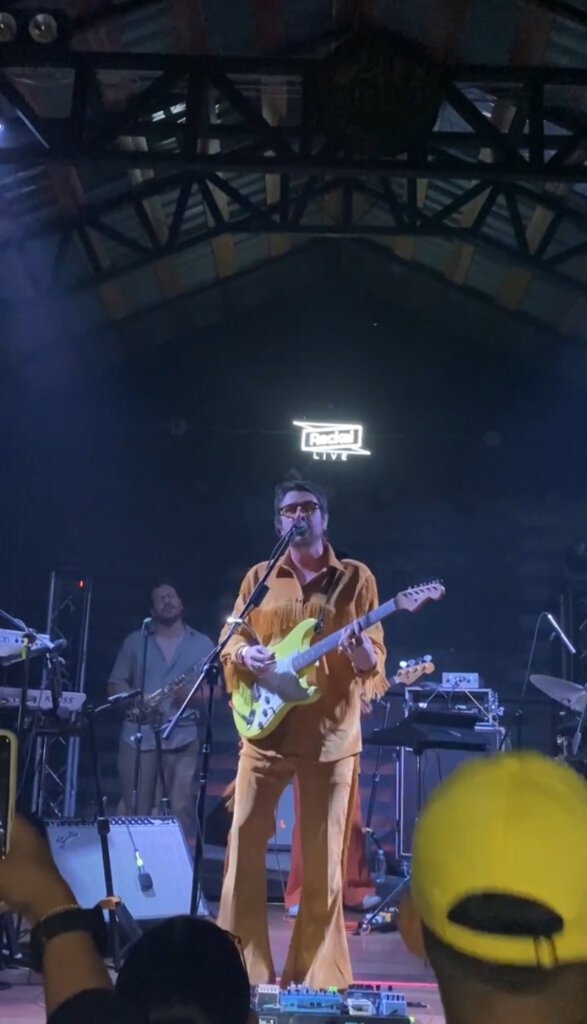
Juan Pablo Vega preforming at 3 Missions in Medellín
Yet, amidst these global influences and cross-border successes, there is an undeniable momentum building in Colombia. A renewed focus on homegrown talent is taking root, signaling a promising era where Colombian artists are not only recognized but celebrated on their own terms.
As we wrap up this deep dive into Colombian music, its abundantly clear that its beats and rhythms go far beyond catchy tunes—they’re a cultural symphony that speaks volumes. This isn’t just about music; its about a movement, a collective embrace of tradition and innovation that’s shaping the future of Colombian culture.
So, crank up the volume, hit play, and let Colombian music take you on a journey you won’t soon forget!
I often wonder if I will ever move back to New York City and then I remember the city's identity dynamics. The answer is pretty simple! New York City is very small in size. It measures 472.43 sq mi (1,223.59 km2). There are currently 8.5 million people living in the...
I've been listening to a lot of 90s pop and R&B recently. It got me thinking of all the changes my listening habits have gone through. I grew up with limited access to music. For the most part, I grew up listening to Top 40 radio. That meant Casey Kasem on...
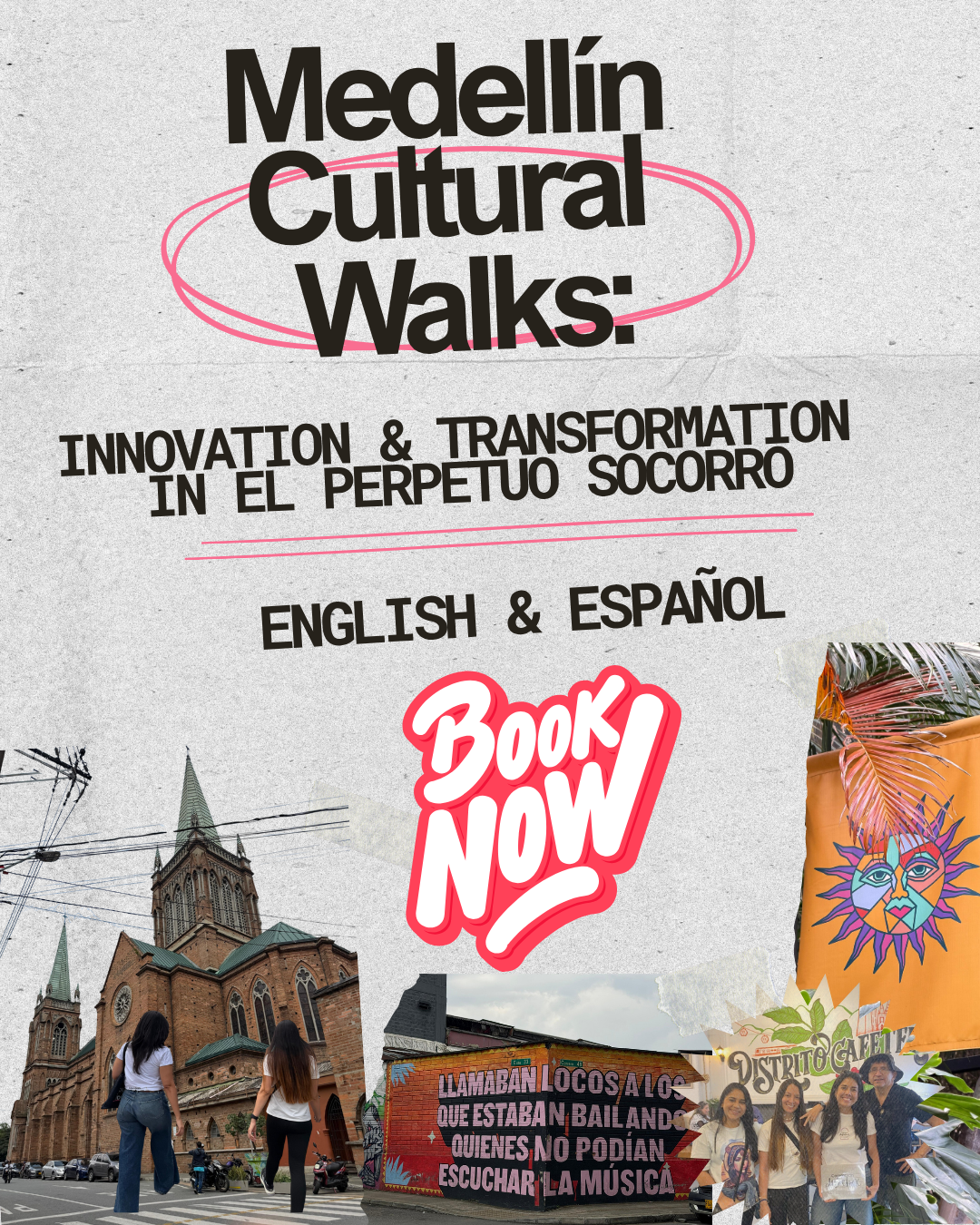
https://youtu.be/AAFfv5zVFgU Hi Everyone! As a tour guide in both Medellín and also New York City, I have compiled a list I think you will find useful during your trip to Medellín Colombia. If you are interested in joining my tour, you can reserve your spot here!...